Benda American Cruise Jingjila is listed at a price of 19,980 yuan.
  [Aika motorcycle information car selection gallery]

  On May 17, 2020, Benda’s brand-new American cruise Jingjila was officially launched, starting at 19,980 yuan. Jinjila can be said to be a heavyweight new product of Benda in recent two years. With the addition of V-line twin-cylinder engine and belt drive, it has become a beautiful tour. Of course, the whole vehicle LED light group, high-standard brake system and high-equipped ABS system all represent the standards of domestic American tour. And from the price point of view, we can also feel the full sincerity of the manufacturers; In addition, it is reported that the new car will be officially opened for pre-sale on May 31st.

Benda; Benda motorcycle; Kinjila

Benda; Benda motorcycle; Kinjila

Benda; Benda motorcycle; Kinjila

Benda; Benda motorcycle; Kinjila

Benda; Benda motorcycle; Kinjila

Benda; Benda motorcycle; Kinjila

Benda; Benda motorcycle; Kinjila

Benda; Benda motorcycle; Kinjila

  Summary:

  Of course, in addition to the price of conscience and considerable configuration, I think the most attractive thing about Jinjila is its Harley-like appearance. More importantly, when most domestic cruise cars can only be similar, Benda integrates the V-type twin-cylinder engine and belt drive, so that consumers can really feel the charm of the cruise car. Judging from the current similar models on the market, only V-Ba and V-Way of Longjia can threaten Jinjila at present. Not only do the vehicle positioning overlap, but the price is also difficult to distinguish. However, Jinjila can still gain the upper hand by virtue of its power system and late-comer advantage.

  Wonderful content review:

  To be a real man for 9.9 seconds and test drive Longjia VMAXie300.

  Let’s blacken the listing of Ducati Self-Tour Night Edition.

  Qianjiang four-cylinder streetcar exposure and TNT600 high and low collocation?

Argument among Intellectuals in the Republic of China: How to Distribute boxer indemnity’s Refund?

The education sector is fighting for funds.

Xu Shoushang, the president of the National Beijing Women’s Normal College, wrote in her resignation letter in February 1924: "A few people vent their anger through private interests, fabricate facts, confuse the audience with black and white, and even encourage students to make slanders, and issue two declarations in the name of the student self-government association. It is not enough to move people and not enough to convince the public. I claim that I don’t bully others, but I am deceived by others. I am guilty of doing things in public and turning it into private. " (Zhong Xiaoan: A Review of Xu Shoushang, China Social Sciences Press, 2012, 150 pages)

After World War I, the Beiyang government’s finances were even more difficult. Warlords around the world spent a lot of tax revenue on armaments, and there was little money left for education. It became normal for teachers to ask for pay to stop teaching. At that time, the newspapers and periodicals in Beijing were full of news that the education sector was demanding salaries, and school representatives even spent the night at the home of the Minister of Education. If we pay a little attention to the new problems and new focuses that historians and educators have paid attention to in recent years, modern literature and Lu Xun’s research may also be different. In the 1920s, part of the money returned by boxer indemnity was becoming the disposable cash in Beijing’s education sector. Who would be in charge of this huge sum and how to distribute it fairly were closely watched by all concerned. Fierce contradictions also arise from this.

On August 14th, 1917, Beiyang government decided to join the Allies to declare war on Germany. This greatly eased the financial pressure on China. First of all, the compensation for Germany and Austria-Hungary (disintegrated in 1918) stopped immediately. China and the signatories of the Treaty of Xin Chou in the Allies agreed that from this year on, boxer indemnity would suspend payment for five years (the moratorium period expired in 1922; Russia has the largest amount of Geng, accounting for 28.97% of the total compensation, and only promised to postpone payment by 10% of the total. Boxer indemnity has a total of 450 million yuan of Guanping Silver, which was paid off in thirty-nine years, with an annual interest of four points and a total principal and interest of nearly one billion taels. Russia has the highest distribution rate among countries, with hundreds of millions of originals, and the total principal and interest is nearly 285 million. The proportion of other countries compensated in the total amount of compensation is: Germany 20.02%, France 15.75%, Britain 11.25%, Japan 7.73%, the United States 7.32%, Italy 5.92%, Belgium 1.89%, Austria-Hungary 0.89%, the Netherlands 0.17%, Spain, Portugal, Sweden and Norway. There is also "miscellaneous" in the compensation, accounting for 0.03%. German reparations were suspended, and the top two in the distribution rate were Russia and France, whose share was almost four times and two times that of the United States.

In July, 1908, William W. Rockhill, the American ambassador to China, stated to the China government that the United States would return half of the Geng funds for China to send overseas students to the United States. In the second year, the Tourist Aesthetics Office was established in Beijing, and the Youmei School was immediately established (renamed Tsinghua School in 1911). The fact that the United States returned part of the Geng money has made Chinese realize that a country that contributed to the victory should no longer pay reparations to its wartime allies for the events more than 20 years ago. After Xinhai, the process of centralization, which was quite effective during the New Deal in the late Qing Dynasty, was interrupted and the state machine was weak. Due to the loss of the right of customs custody, the government has to obtain the consent of the Beijing diplomatic mission to use the customs surplus (that is, the balance after the customs pays compensation), and the financial situation is even more embarrassing. It is common for the Ministry of Education not to pay teachers’ salaries, and the general manager is often a pitiful and hateful role. However, for the post-war education sector, if all countries’ Geng funds can be refunded and used exclusively for culture and education like American funds, the prospect is not only good, but even gratifying.

The end of World War I was earlier than people expected, China’s deferred payment period has not expired, and arduous negotiations have yet to be started. However, the education sector is busy organizing different levels of G-payment committees to plan how to allocate and use the refunded funds, which has led to a lot of contradictions. The funds are not in place, and the dispute between the golden apples has been filled with smoke. At the turn of 1919 and 1920, the education circles in Beijing launched a campaign to demand salaries and strike education, demanding the government to raise special funds to ensure the independence of education. On January 9, 1920, Premier Jin Yunpeng promised to use all the education funds in boxer indemnity, and the agitation came to an end. According to the test, this is the first time that the central government has made a public statement and decided to use the money refunded by various countries exclusively for education. This promise was originally a stopgap measure under pressure (the China municipal government has no right to unilaterally decide how to use the refund of Geng funds), but the education circles inside and outside Beijing are intoxicated with unrealistic dreams and start constant infighting:

Beijing’s education sector was the first to win the Russian Geng fund for Beijing’s education because of its geographical location. As a result, Peking University and other national universities, universities and primary and secondary schools, public schools and private schools in Beijing’s education sector all made a fuss about boxer indemnity. The education circles outside Beijing were indignant with the education circles in Beijing, which monopolized boxer indemnity, and took measures in public opinion and action to try to compete with the education circles in Beijing. This dispute lasted for more than ten years, and all major newspapers reported it at that time. [Xu Wenguo: An Analysis of the Wage-demanding Movement in Beijing Education from 1919 to 1920, Beijing Social Sciences, No.2, 2007, 100 pages. The teachers’ unpaid strike can also be related to the movement of retaining Cai Yuanpei and expelling Fu Yuebang, the second minister of education, in Beijing during the May 4th Movement. In this process, Zhejiang professors formed gang forces. For details, please refer to He Shuda: The Movement of Pulling Cai to Drive Fu by Beijing Staff Union during the May 4th Movement, in Journal of Sun Yat-sen University (Social Science Edition), No.3, 2011]

The naked battle for funds is disgraceful, but fortunately there is no lack of grandeur. Sometimes, when the teacher’s morality degenerates, the Shanghai Times pointed out that "the education sector exposed its ugliness at home and abroad" before and after the establishment of the Sino-French Geng Kuan Committee (April and May, 1925) (Wang Shuhuai: boxer indemnity, published by the Institute of Modern History of Academia Sinica, second edition, 360 pages). At that time, Peking University and Beijing Normal University were at odds. Apart from partisan disputes, there were also reasons for the distribution of Geng funds. If Beijing University can recruit female normal universities, it will be an effective blow to Beijing Normal University.

Sino-Soviet negotiation on repayment

The amount of Russian Geng is large, more than a quarter of the total, which is naturally popular. On July 25th, 1919, Karakhan, Acting Foreign Affairs Commissioner of the Soviet Union, issued a declaration to China, willing to automatically abandon all treaties made by the Tsar and the Qing Dynasty, unconditionally return Russia’s right to benefit in the Northeast, and give up boxer indemnity. The following year, he made a similar promise. During this period, the Soviet Union searched for agents through various channels, and was once ready to win over Wu Peifu and alienate Sun Yat-sen.. It is not surprising that a country invests in the future by making good use of its foreign exchange. On September 2, 1923, Karakhan led a delegation to Beijing and was welcomed by all walks of life. When Karakhan was young, he lived in Harbin with his parents for several years. At this time, he came to China to discuss the restoration of diplomatic relations, and reiterated that the basic spirit of the previous two declarations remained unchanged, which made many Chinese feel good. At that time, Zhongdong Road (China Dongqing Railway for short, Japan took over the Nanman Railway from Changchun to Lushun after the Russo-Japanese War) and a large number of products made in China and Russia were not under the control of the new regime. Karakhan’s first consideration is how to get China’s diplomatic recognition, so that China can expel the Russian forces, ensure the smooth takeover of Russian property in China and recover the management right of Zhongdong Road. Due to various reasons (the north and south are not unified, and the north is in direct conflict), the Beijing government is at a disadvantage in the negotiations with the Soviet Union, and it is impossible to take the resumption of diplomatic relations as a prerequisite for solving a large number of outstanding cases arising from the change of Russian regime between the two countries. Wang Shuhuai pointed out: "At that time, the Middle East Road, boxer indemnity and other privileges could not be enjoyed by Soviet Russia, but they were used by the White Party, accommodating the reality, showing benefits to China and cracking down on the White Party. Under the control of Anfu,The response was cold, but the people aroused a strong reaction … "(boxer indemnity, page 257) The newly established Soviet regime put forward some favorable policies for China in order to break diplomatic isolation, eliminate hidden dangers in the Far East and consolidate the strategic position of the Soviet Union itself. These policies are accompanied by explicit or implicit conditions. If there is a conflict with national interests in the process of implementation, the latter will definitely take precedence.

Karakhan

On behalf of the Soviet regime, Karakhan started negotiations with the China (Beiyang) government, which was recognized by various countries, and the two sides signed the Sino-Russian Outline Agreement on Solving Cold Cases on May 31, 1924. Gu Weijun, the foreign minister of the governments of Wang Zhengting and Cao Kun, seems to have made contributions, but China’s actual gains are far below expectations. Wang Zhengting, with the background of the League and the Kuomintang, actually represents the interests of the South. Li Yuanhong sent him to supervise the Sino-Russian negotiations in March 1923, and he kept in touch with Russia. Without the knowledge of the Ministry of Foreign Affairs, he signed a draft agreement with Karakhan on March 14, 1924. Gu Weijun intervened angrily, and the Ministry of Foreign Affairs made a series of changes, and then formally signed a contract with the Soviet side. Yen Hui ching recalled: "The negotiations between Chinese representative Dr. Wang Zhengting and Mr. Karakhan went through several months, but Dr. Gu Weijun, then the foreign minister, had no idea about the progress of the negotiations. Later, at a cabinet meeting, representative Wang more or less deliberately revealed the new Sino-Soviet Covenant initialled by him and Soviet representatives. Foreign Minister Gu was extremely angry about this and insisted that the New Testament must be handed over to the Ministry of Foreign Affairs for detailed study before the cabinet deliberated. In this way, the representative of the king was not only embarrassed, but also caused a bad impression on him by cabinet members and the president. Therefore, it was decided to end the work of Wang’s representative and put it in the sole charge of the Ministry of Foreign Affairs. Of course, Mr. Karakhan is also very unhappy. For such a change, he once insisted on the original draft and refused to change it. Finally, he was forced to accept the change. A brand-new treaty came into effect after he and Dr. Gu signed it. " (autobiography of Yen Hui ching,Translated by Wu Jianyong, Li Baochen and Ye Fengmei, Commercial Press, 2005, p. 181).

Article 11 of the agreement reads "The Soviet Russian government promised to abandon the Russian part of boxer indemnity", and the two sides made the following statement:

1. boxer indemnity, which was abandoned by the Soviet government in the Russian part, was fully used to promote education in China after all kinds of priority debts guaranteed by the indemnity were paid off.

Two, the establishment of a special committee to manage and distribute the above funds, the committee is composed of three members, two of whom are appointed by the China Municipal Government, and the matters decided by the committee shall be unanimously acted.

Three, the money at any time, shall be deposited in the bank designated by the special committee. ("boxer indemnity", 262 pages)

According to this clause, the three-member Committee that manages and distributes the refund has great financial power, and financial power also means political influence. The number of committee members is too small (perhaps it was Wang Zhengting’s idea that the Chinese side should have one each from the northern and southern governments to show equality), and it is easy to form a dominant position. The Soviet Union has a unified national will, and it doesn’t matter who serves as a member. China is in a state of de facto division, and its national concept and public spirit are very indifferent. Factions abound and there are factions among them. The candidates for the two members will be the result of the power game among various interest groups.

In any case, Article 11 of the agreement gives hope to the education sector, but it is difficult to put it into practice, because Article 2 of the agreement stipulates: "The governments of the two contracting parties promise to hold a meeting within one month after the signing of this agreement, and negotiate detailed measures for all outstanding cases in accordance with the provisions of the following articles for implementation. This detailed method should be completed as soon as possible, but in any case, no later than six months from the start of the meeting mentioned in the preceding paragraph. " Signed at the same time with the agreement, in addition to the Interim Administration of the Middle East Railway Agreement and other documents, there is also a crucial Protocol, which is a unilateral statement of the Soviet Union, reaffirming that all previous conventions, treaties, agreements, protocols and contracts between China and Russia will be abolished at the above-mentioned meeting and will not be enforced until the treaty agreement is replaced. [Tang Qihua: The History of the Northern Warfare Amendment Covered by the Abolition of Unequal Treaties (1912-1928), Social Science Literature Publishing House, 2010, pp. 208 and 209] In other words, China and the Soviet Union must hold an important meeting to renegotiate the treaty agreement, otherwise, all kinds of promises cannot be fulfilled. The Soviet Union has a very important chip in its hands.

It is too complicated to negotiate with Russia. A month later, the Sino-Russian conference office was formally established, indicating that it is almost impossible to hold a meeting within one month stipulated at the time of signing the contract. At that time, the proposals put forward by the office were divided into six categories (border affairs, Mongolia issue, Middle East railway, compensation, negotiation and debt settlement), and there were a large number of specific outstanding cases under each category. Since Zhang Zuolin actually controls the three northeastern provinces where Zhongdong Road is located, Karakhan signed the Agreement on Serving Russia with Zhang on September 20 of that year, which caused protests from the Foreign Ministry in Beijing (the southern regime also tried to intervene in the negotiations). The Agreement to Serve Russia is similar to the Sino-Russian Agreement, and it also requires a formal meeting within one month. Soon after, Feng Yuxiang’s national army staged a coup on October 23. Unexpectedly, the preparations for the Sino-Russian meeting were accelerated, and the problem of selecting candidates for the Committee, which was originally thought to be very difficult, was solved extremely neatly. Karakhan moved into the old Russian Embassy in Beijing in late September, 1924, and held a flag-raising ceremony on October 5th, which officially opened.

Distribution of Russian Geng funds in the trend of female normal universities

After the October Revolution of the Soviet Union, China considered stopping paying Russian Geng. Since December 1917, Russian Geng has stopped paying, six times before and after, and stopped paying in July 1920 (after the October Revolution, the Russian Embassy in China continued to operate, and the indemnity was deposited with Dawson Bank of Russia by Anger Lian, the General Tax Department of China Customs. In July 1920, China stopped paying, which can also be understood as delaying the payment of all Russian Geng funds. The General Taxation Department was ordered by the Ministry of Finance to deposit the compensation in Shanghai China Bank for the China government to maintain Zhongdong Road, repatriate overseas Chinese and issue government bonds). From the beginning of 1924 to the end of 1926, the China government allocated 1.95 million yuan from this indemnity to Beijing universities (boxer indemnity, 263 pages). In February, 1924, Xu Shoushang resigned as the president of Women’s Normal University (renamed Women’s Normal University in May, 1925). In her resignation, we can distinguish the conflict between public and private interests. Is it related to the allocation of funds?

The background of the distribution of Russian Geng money refund in the trend of women’s normal universities was rarely mentioned before. Some truths can be learned from the Notes on the Tide of Women’s Normal University (originally published in Women’s Weekly on August 19 and 26, 1925) written by Late Fool from August 9 to 22, 1925. This is the earliest and more comprehensive narrative of the movement of expelling Yang in women’s normal universities. Yang Yinyu was appointed at the end of February, 1924, and took office in early March. The next month, because of the disagreement with some teachers on how to distribute the "Russian Geng Fund", some people left and students were suspended. Obviously, in a society where male chauvinism prevails, it is unforgivable for the female headmaster to dare to go against the will of a group of male teachers and reduce their expected income. Description of "Late Fool":

In April, 13th year, due to the distribution of Russian Geng, Yang dominated at random, which aroused the disgust of most teachers and caused them to ask questions. Yang started with denial, followed by abuse. So most teachers, unwilling to cooperate, resigned angrily and suspended classes for two months.

How to "control at random", the author did not explain. On April 28th, fifteen teachers, including Zhang Zeyao, a chemistry professor, wrote to Yang Yinyu, saying that she could not work with her, and listed her "perverse points". The first is "contempt for the Senate". Previously, the school Council decided to "deny the Ministry’s board of directors", but Yang Yinyu did not forward the resolution to the Ministry of Education. According to the Regulations on National Universities promulgated by the Ministry of Education on February 23, 1924, national universities must set up a board of directors to "consider the school’s plans and budgets, final accounts and other important matters", and its authority is greater than that of the school’s review meeting which specially evaluates "the internal organization of the school, its articles of association and other important matters". The board of directors is composed of the president, directors from the Ministry, and appointed directors (directly appointed by the Chief Education Officer for the first term). [Compilation of Historical Archives of the Republic of China (the third series, Education), edited by China’s Second Historical Archives, Phoenix Publishing House, 2012 (reprinted in 1991), 174 pages] The original intention of the Ministry of Education is to concentrate power in the chaotic national universities, lead the development of each school, and strengthen management and supervision financially, but it overestimates its ability to implement the regulations. In January this year, Zhang Guogan became the education chief of Sun Baoqi Cabinet, and immediately devoted himself to rectifying universities. He didn’t expect that the board of directors limited the power of the Council and was bound to be resisted. Xu Shoushang was very wise to resign as the president of the female normal university at this time. Therefore, it falls to Yang Yinyu to coordinate the relationship between the school and the Ministry of Education.

The second "perverse point" listed by these teachers is actually a supplement to the first:

This year’s renewal of the school fee of boxer indemnity in Russia is 66%, the source of which is very different from the recurrent fee. The cover is obtained by the staff’s call sign, and of course it is dominated by all other schools. Mr. Wang arbitrarily withheld money and refused to pay it. The most strange thing is that he called a special meeting in a short time to discuss this matter. Looking up the articles of association of this school doesn’t matter whether the special meeting is related to the control of funds, that is, the meeting should be held or decided by the appraisal meeting. This meeting is unfounded, the proposal is not voted at the meeting, and the posts attending the meeting are arbitrarily dispatched without standards. After that, the meeting is scribbled, and if you want to force your colleagues to abide by the pre-printed distribution list, you really don’t follow the articles of association, and you are extremely reckless. (Compilation of Historical Materials of Lu Xun’s Life, edited by Xue Suizhi, third series, Tianjin People’s Publishing House, 1983, 246 pages)

Indeed, this Russian boxer indemnity was obtained at the appeal of eight national universities. As one of the eight presidents, Xu Shoushang was also a direct participant. See the Submission of Eight Universities for Appropriating Russian boxer indemnity for Education Fund (originally published in Peking University Journal on November 27, 1923). See Wang Xuezhen and Guo Jianrong’s Historical Materials of Peking University, Volume II, Peking University Press, 1876, 2000). There is this passage in the submission: "Russian reparations have been officially declared by its representatives, that is, before the Sino-Russian meeting, all the Russian part of boxer indemnity will be allocated as education funds for China, and part of it will be allocated to the National Beijing Eighth School to meet the urgent needs. Our government immediately agreed to implement it. " This Russian "representative" is Karakhan who arrived in Beijing more than two months ago. The attitude of the Soviet Union is more favorable to schools outside Beijing. Jiang Menglin, acting president of Peking University, was the first representative to sign the submission, and Xu Shoushang signed it as a female president of normal universities. Jiang Menglin’s talk on April 18th, 1932 (when Jiang was the president of Peking University) confirmed this matter: "It has already been stipulated that Russian funds should be allocated for education. On November 15, 1912, Karakhan was the foreign affairs commissioner of the Russian government, and after waiting for others, he tried to use the Russian Geng as the education fund. Gaston once declared that he would give up the Russian Geng as the fund for Beijing national universities, and noted to the Ministry of Foreign Affairs that in addition to repaying the public debt, he would use part of the Russian Geng as the fund for Beijing national schools. Yu Gu knows all the things agreed with Jia’s, but I don’t know the future situation because I am not a member of the Russian Geng Fund.The balance of the Russian Geng fund is 97.365 million yuan, and the balance this year is 25.197 million yuan, which is very large. (Originally published in Beijing Daily on April 19, 1932, see Peking University Historical Materials, Volume II, page 318) Therefore, these teachers of the Women’s Normal University insist that they should be "completely dominated" among the teaching staff of our school, just like other schools, that is, all of them are lost.

Xu Shoushang

Will Xu Shoushang fall out with a few teachers because of the disposal of this special fund? Does the "Board of Directors of the Ministry" have the right to decide the distribution plan of the G-sum when deliberating the budget and final accounts? Shortly after Yang Yinyu took office, did he continue the principle of the former headmaster and disagree with "all domination", so there is a saying that "any deduction is made, and no payment is made according to the arrangement"? These are not stupid questions.

The headmaster insisted that the distribution of Geng funds should benefit the teachers attached to the secondary school.

Yang Yinyu called a special meeting (indicating that the "ministerial board of directors" has expired) and submitted the designed scheme of distributing boxer indemnity among different departments for discussion ("pre-printed distribution list"), which offended the dignity of the Council (some members). This is why the late fool accused her of "arbitrary domination". It can be understood as follows: Yang Yinyu is more willing to cooperate with the Ministry of Education and does not advocate that all the funds allocated by the Ministry of Education be distributed among female teachers and staff; The composition of the "Ministry Board of Directors" is reasonable (the list of members of the board of directors is difficult to test). She is not afraid to offend professors such as Zhang Zeyao and "convene a special meeting", probably because there are directors of the "Ministry Board of Directors" who have been denied by the Council, and their presence prevents the Council from "completely dominating" boxer indemnity, Russia. If the appropriation given by the Ministry of Education to the female normal university includes the share of the primary school attached to the secondary school, and Zhang Zeyao and others oppose the inclusion of the primary school teachers attached to the secondary school in the distribution plan for the maximization of their own interests, then the special funds that have been recorded by the female normal university cannot be used in full, and some of them should be returned to the Ministry of Education. Behind these differences are also hidden conflicts in educational concepts. Women’s Normal University has a secondary school attached to it and a primary school attached to it. The nature of the school is the same as that of women’s Normal University, and it is also public. Teachers in the two schools have low incomes, so they can’t receive their wages in full, and they should be subsidized.

In May of this year, students had to change their principals, ostensibly because of politics, that is, students were not allowed to March in the streets on the National Shame Memorial Day (May 7), but in fact, someone was using the excuse to play (students could even go on strike indefinitely on the pretext of "failing to report the national revenge"). Lu Xun came forward to mediate, and he recorded in his diary on May 21, 1924: "In the evening, with the trend of female teachers’ schools, students invited Cambodia to mediate, and went with Luo Yingzhong and Pan Qixin, but Zheng Jieshi was the only one who continued." ("Complete Works of Lu Xun", Volume 15, page 513) The agitation gradually subsided. Does it mean that Yang Yinyu’s distribution plan was suspended during the stalemate between the two sides? Later, Yang Yinyu was accused of "enriching himself" financially, which was the cause. As an official of the Ministry of Education and a part-time teacher of the Women’s Normal University, Lu Xun is willing to mediate, which shows that he is not completely on the side of the students, and behind the students, there are teachers who demand "all the money".

After the summer vacation in 1924, the Senate, the highest legislature of the female teacher Daxin, was re-elected, and the anti-Yang people called it Yang Yinyu’s "Imperial Meeting". How the Russian Geng fund should be distributed still needs to be decided by the new Council. As can be seen from the Notes on the Tide of Women’s Normal University, the director of the primary school and the director of the affiliated middle school (now called the principal) of the women’s normal university were also elected to the Council ("Another example is the director of the primary school and the director of the affiliated middle school, but they are not qualified as assessors, but they are all entrenched in the school and control everything", see the third collection of historical materials of Lu Xun’s life, page 248), which is crucial information. Are the two directors appointed by the former Ministry of Education? It seems that Yang Yinyu still wants to realize what she understands as justice: the newly elected council reflects the spirit of the Ministry of Education to treat all public universities, primary schools and secondary schools equally, and the allocation of Russian boxer indemnity will benefit the primary school teachers attached to the affiliated middle school. At present, all kinds of writings about the student tide in women’s normal universities start from Yang Yinyu’s expulsion of late students in November 1924, and the first crisis after Yang Yinyu’s performance of his duties six months ago was omitted. As long as there is a gust of wind blowing outside, the embers distributed by Geng Kuan will still rekindle, but the banner is new. If some teachers can’t work with Yang, they will wait for an opportunity to fight back, and then the incident can only be used, not the main cause. If the accounts of the women’s normal university were complete, how to distribute the Geng funds is worth investigating thoroughly. To meet the requirements of Zhang Zeyao and others, Yang Yinyu may buy a little heart; The primary school teachers attached to the affiliated middle school are also immersed in Russian money, so Yang Yinyu has a deeper enmity with the opposition teachers and must go.

When Yang Yinyu handed over the accounts to the Ministry of Education on August 9, 1925, there were still 203,954 yuan in the account books of the Women’s Normal University (see "Archives of Beijing Women’s Normal University before the Anti-Japanese War" in the archives of Beijing Normal University, with fonds number 2 and volume number 3. The author can’t verify whether the female normal university has other debts), and the number is staggering, or it shows that the Geng payment has to be "set aside and not distributed" because of the disagreement between the opposing sides and the continuous student tide. The money left in the account is enough to cause great disaster. The Education Maintenance Committee and the School Affairs Maintenance Committee of the Women’s Normal University immediately wrote to the Ministry of Education after the resumption of the school on November 30 of that year. In addition to reporting the process, they also wanted to accept the financial rights of the women’s normal university: "It is reported that the school funds and students’ accommodation and other expenses were taken away privately a few days ago. If the money absconded, please ask your department to investigate it immediately, and strictly order the Hu Dunfu Xunjiang to pay all the money for the school affairs to this Council for acceptance. After that, the university should receive all kinds of money, and please submit it to the university maintenance meeting for formal collection. " (The Third Collection of Historical Materials of Lu Xun’s Life, page 326) This team is sober-headed, shouting correct slogans and keeping their eyes on the accounting office. It is no secret that the profit and loss in the books of the Women’s Normal University (now the National Women’s University), Yi Peiji, one of the main messengers of the movement, still has various private expenses to be reimbursed in the public accounts.

On March 4, 1926, the new women’s normal university elected the all-male school Council. Zhang Zeyao, who we are already familiar with, was included in the list. The director of the primary school and the director of the affiliated middle school were naturally excluded because they were not qualified for the election. President Yi Peiji is the speaker and did not participate in the evaluation. Eleven professors were elected, except Xu Shoushang and Lu Xun, two officials of the Ministry of Education (who were reinstated on January 17th). At least seven of the nine reviewers (Ma Yuzao, Zheng Dian, Chen Qixiu, Lin Yutang, Xu Bingchang, Zhao Tingbing and Dai Xia) are professors of Peking University, and the other two reviewers are Wen Yuanmo and Zhang Zeyao. (Collection of Historical Materials of Lu Xun’s Life, Third Series, pages 339 and 340)

The opinions of the Ministry of Education will finally be respected.

There is an anecdote in Lu Xun’s "The New Rose" (May 23, 1926): "The’ Soviet Russia’s money’ is 100,000 yuan. This time, the Ministry of Education and the education sector have been entangled, because everyone wants a little." The commentary after the Complete Works of Lu Xun said: "In mid-May, 1926, the Ministry of Education of Beiyang Government returned the boxer indemnity Committee to Russia (Li Shiceng, Xu Qian and Gu Mengyu were wanted at this time, Yu Wencan and Cha Liangzhao were Chinese members) to borrow 100,000 yuan, and it was planned to distribute the money equally to Beijing National University, public primary and secondary schools, and so on according to the budget. At that time, the teaching staff of nine national schools, such as Peking University, opposed this distribution method, thinking that this paragraph could only be used in Beijing’s specialized schools and above, so it was entangled with the Ministry of Education. " (Complete Works of Lu Xun, Volume 3, page 312)

This annotation is well done, and we have met before. The reason why the staff of nine schools oppose the distribution plan of the Ministry of Education is simple: the fewer schools and institutions participate in the distribution, the higher the amount they can get. We have seen the "entanglements" of roughly the same nature when discussing the differences between Yang Yinyu and some teachers (that is, whether we should take care of the interests of the primary school teachers attached to the secondary school attached to the Women’s Normal University). The Ministry of Education of a country’s government does not only serve "specialized schools or higher", that is, colleges and universities, but the teaching staff of nine schools are unwilling to share the Russian Geng funds with public primary and secondary schools, which makes people feel chilling. Lu Xun wrote in How Do We Be Fathers Now? The "youth-oriented morality" emphasized in "The Complete Works of Lu Xun" (Volume 1, page 137) is exactly what these elders are not prepared for. Universities can despise primary and secondary schools, just as famous professors who boast of their knowledge take it for granted that they should give priority to hiding in air-raid shelters when enemy planes attack.

During the period when Feng Jun was stationed in Beijing, the plan of Russian funding for Beijing’s education sector was implemented smoothly, and the primary and secondary schools attached to nine national schools (merged into Jingshi University in August 1927) also received Russian funding, indicating that the opinions of the Ministry of Education were finally respected. This is a bit unexpected [for details, please refer to the statement by all the staff of Jingshi University that Russian funds are still allocated to various departments and departments, and there is no assistance in military expenditure to electrify the national education sector], in Collection of Archives of the History of the Republic of China (third series, Education), pp. 830 and 831. After Yu Wencan and Cha Liangzhao became members, they agreed with the Russian members to allocate 125,000 yuan of Russian money every month to assist the National Nine Schools, which were later unified into the Jingshi University until the end of 1930].

The Nanjing government was established on April 18th, 1927, and Beijing (later renamed Beiping) was not under its rule, and the Russian money was lost. The Kuomintang was greatly annoyed. "It criticized the Soviet personnel for their efforts in’ showing favors’, arbitrarily controlling’ handling’ and’ easily hampering’ the abandoned money, that is, they took action in October 1928 because they had seriously violated the agreement reached by the two governments. At this time, Li Shiceng even publicly stated that the Committee "forbids Russia to participate". What Li Shiceng values is the power in his own hands, not the actual needs of Beijing’s education sector. The China-Russia Geng Fund Committee then existed in name only.

In 1934, the Kuomintang government decided that all the surplus of the Geng funds "abandoned" by the Soviet Union should be turned over to the state treasury, and the Committee disappeared (Mi Rucheng: The refund of Geng funds and its management and utilization, Research on Modern History, No.6, 1999, p. 79). After the victory of the Northern Expedition, the Kuomintang initially insisted on the slogan of "promoting learning with Geng funds". The first national education conference during the period of Nanjing National Government (May 1928) passed three bills on promoting learning with Geng funds, and formally decided to use the Geng funds from Belgium, Italy and the Soviet Union as education funds (Xu Wenguo: On the activities of promoting learning with Geng funds of the national board of directors, Education Review, No.3, 2010, 120) The three bills passed at that meeting were the organizational outline of the Geng Fund Promotion Committee; It is proposed to designate the Russian-issued treasury as an education fund; It is proposed to designate the distribution bank of Belgium and Italy as the education fund. The most important scheme (the case of designating the Russian-funded issue treasury as an education fund) has not been realized.

University professors and the temptation of financial power

The Sino-Russian Geng Kuan Committee was formally established on November 24th, when Huang Yue’s cabinet collectively resigned and ceded power to Duan Qirui for temporary administration, which was the result of secret negotiations between Li Shiceng, Xu Qian and other key figures of the Kuomintang in Beijing and Karakhan. Inor is a member of the Soviet Union, Cai Yuanpei and Xu Qian are members of the Chinese side, Cai Yuanpei is the chairman, and Li Shiceng is the agent because of Cai Yuanpei’s absence (boxer indemnity, 359 pages). It seems that Cai Yuanpei’s own consent has not been obtained. Gu Mengyu also acted as a member). All three Chinese people are important members of the Kuomintang. There are only three members in the China-Russia G Fund Committee. On the day of its establishment, there was a deliberate motive to exclude Duan Qirui from the government.

Huangbian

Huang Yue’s provisional regent cabinet accomplished two major tasks: one was to expel Puyi from the Forbidden City and set up a committee to clean up the room and clean up the aftermath; the other was to speed up the preparations for various meetings stipulated in the Sino-Russian Agreement and set up a Sino-Russian Geng Committee as soon as possible to ensure that the power of control remained in the hands of the Kuomintang. At that time, Wang Zhengting, who was the foreign minister again, spared no effort to promote the Sino-Russian meeting. It can even be said that the diplomacy of Huang Wei’s cabinet has nothing else:

During the regency of Huang Yue, Wang Zhengting was keen on the Sino-Russian meeting, and Karakhan also actively cooperated. It seems that the meeting is just around the corner. On November 6, the two sides decided that the Sino-Russian meeting is scheduled to open on the morning of the 18 th, and the Canadian ambassador hopes to solve the following problems: (1) the candidate for the China Committee of the Russian Geng Fund Committee; Transfer of Russian Orthodox Church property; Wang promised the competent department to handle the handover of three Russian ships that stopped in Shanghai in real time. On the 7th, Wang Zhengting went to the Soviet Embassy to congratulate the Soviet National Day and discuss a Sino-Russian meeting. For a while, Sino-Soviet diplomatic relations were quite harmonious, but soon there were rumors of delay. It was reported that "Wang Zhengting intends to go to Tianjin and Zhang Zuolin and solicit opinions from the Sino-Russian meeting." As a result, due to Duan and Zhang’s opinions, the Soviet side was a little slow. On the 15th, Wang Zhengting and Karakhan met, and the ambassador said that the meeting could be held at any time, but there was also a meeting in order to avoid Mukden, so it was necessary to make arrangements in advance. Both Wang and Jia sent people to Tianjin to contact Zhang Zuolin. On the 17th, the Ministry of Foreign Affairs promulgated the working rules of the Sino-Russian Conference Office (replacing the Sino-Russian Conference Office), with Yan Heling as the director. On the 20th, an internal meeting was held in the Ministry of Foreign Affairs to report to Wang Zhengting the minutes of the former "China-Russia Conference Office" in handling various Russian affairs, such as border affairs, negotiation, east road, compensation and external Mongolia. [The History of Northern Ocean’s Treaty Amendment Covered by the Abolition of Unequal Treaties (1912-1928), pp. 240 and 241]

A few days ago (November 15th), Zhang Zuolin and Feng Yuxiang held an emergency meeting in Tianjin, led by electrifying the whole country, and elected Duan Qirui as the temporary ruling of the Republic of China. Duan Qirui took office on 24th to form an interim government, but this day was also the day when the China-Russia G Fund Committee was established. Karakhan and Wang Zhengting are tacitly aware that they must ensure that the Committee’s work is not interfered by Duan Qirui. Wang Zhengting can complete all the arrangements in a short period of time, which is really fast. He is fighting for financial power for the Kuomintang.

When Duan Qirui formed the cabinet, he appointed Tang Shaoyi as the foreign minister. Tang did not take office, and Shen Ruilin acted as the agent. On February 21st of the following year, he became the foreign minister. The foreign minister changed hands, and the Sino-Russian meeting was delayed again, but the most thorny issue of the relationship between the Sino-Russian Agreement and the Agreement to Serve Russia was finally solved. In January and February of 1925, with the cooperation of Zhang Zuolin, the Agreement on Serving Russia was merged into the Sino-Russian Agreement as an annex, and on March 12th, Duan Qirui approved the merger of the meetings stipulated in the two agreements. At this moment, it is also commendable that the local authorities are consistent with the central authorities. In order to maintain the continuity of foreign policy, the executive government recalled Wang Zhengting from Shanghai to supervise the Sino-Russian meeting, which Zheng Qian would handle. On August 26th, the opening ceremony of the Sino-Russian meeting was held, which was nearly one year and three months after the signing of the agreement. However, Karakhan returned to China soon, and he did not have high hopes for the meeting. The six special committees that really matter (changed to negotiation, debt, road affairs, border affairs, air rights and special agents) didn’t meet one after another until November 28, and the special customs meeting in Beijing, which had been prepared by Beiyang government for a long time, was in a difficult process. By the summer of 1926 (the Fengfeng army had settled in Beijing in April of this year), the meetings of these six special committees were all declared a failure.

In April, 1924, when discussing the distribution of Russian G-money, some teachers in women’s normal university were bent on excluding the teachers attached to the middle school and primary school ("but they have gained something"), and their lack of impartiality was what Zhang Dongsun and Yan Fu called "the morality of managers". Yang Yinyu, the new headmaster, ignored the selfish decision of the Council and even reorganized the Council, which led to his own downfall. By May 1926, with the personnel metabolism, there was another Russian Geng fund at the disposal of Beijing’s education sector. Strangely, the staff of the National Nine Schools still refused to distribute public primary and secondary schools. They got into trouble with the Ministry of Education, repeating the conflict between Zhang Zeyao and Yang Yinyu.

Intellectuals in China can’t properly handle the "obstruction", and there are often "obstruction" or "a sum of money" behind the quarrel (euphemistically called "struggle"). On June 19, 1929, Lu Xun asked Li Jiye to guard against the plot against Gao Changhong and Pei Liang ["Changhong and Pei Liang made a scene and strived to be the leader. It can be seen that there is probably a sum (not about now). I hope to pay attention to their plot. " "Complete Works of Lu Xun" Volume 12, page 187], Gao and Xiang are no exceptions, which is the most regrettable. Poverty is not the main cause. Zhang Dongsun once criticized his own class: "The intellectuals in China have the least morality of mutual assistance and the attraction of unity. From a moral point of view, China’s intellectual class really has many immoralities [,] which are not comparable to other classes, such as slanderous competition, frivolous self-slowing, private opinions of the same party, rumors of reversing right and wrong, shameless adherence to the trend, and others. " (Zhang Qing: "Ideological Circles in the Qing Dynasty and the Republic of China", Volume II, Social Science Literature Publishing House, 2014, page 802) may be overstated, but when discussing the politics of Beijing in the 1920s, we have to consider the magic of boxer indemnity’s refund (especially Russian money) and the resulting interests and financial power temptation to distort the behavior of university professors.

The enrollment of Hunan "College Entrance Examination" is about to start.

  On January 11th, Hunan Education Examinations Institute announced the Notice on Doing a Good Job in Enrollment for the "College Entrance Examination" in Hunan Province in 2024, detailing the registration conditions and workflow.

  Candidates are required to register as fresh college graduates who have studied in our province and can obtain graduation certificates before July 31, 2024, including college soldiers who have been enlisted and retired from our province; Students in school (including freshmen in colleges and universities) are graduates who return to school after enlisting and retiring, complete their studies and obtain academic qualifications; Enlisted in our province and obtained a college degree before enlisting, and the household registration is a student or graduate from other provinces in our province.

  These personnel are not allowed to sign up: they have been given disciplinary sanctions of demerit or above at school and during enlistment, and they have not been dismissed before signing up; Those who have been taken compulsory measures by the relevant departments or are serving sentences for violating the criminal law; Due to violation of the provisions of the national education examination, he was suspended from taking the college entrance examination and is still in the suspension period; Candidates who have participated in the "College Entrance Examination" of last year and postponed graduation to apply again; Candidates who have been admitted to the retirement exemption plan in the last year (including candidates who have not reported for admission and abandoned their admission qualifications).

  All candidates who meet the registration requirements should log in to Xiaoxiang College-upgraded APP from 8: 00 on January 29th to 17: 00 on February 2nd, register according to the system requirements, improve their personal information, meet the exemption conditions (retired college soldiers or competition-winning graduates) or graduates from poverty-stricken families, and fill in relevant information, upload relevant certification materials and submit them for preservation as required.

  The time for volunteering is from 8: 00 on March 22nd to 17: 00 on March 25th. According to their majors, all candidates independently choose to fill in one of the same or similar majors in an undergraduate school, according to the corresponding relationship of majors published in the Guidance Catalogue for Undergraduate Colleges and Universities in Hunan Province issued by the Provincial Department of Education and the enrollment majors published by undergraduate schools on the information platform for undergraduate colleges and universities. Among them, those who apply for medical related majors must strictly correspond to the name of the specialty (except for the specialty of orthopedics and traumatology of traditional Chinese medicine, which can correspond to the undergraduate specialty of traditional Chinese medicine). The enrollment regulations of undergraduate colleges and universities will be announced one after another before March 12, and candidates can make a careful choice after learning more about it.

  Candidates can modify their volunteers at any time during the period of volunteering, but they cannot modify their volunteers after volunteering. Candidates are required to apply for the exam in one of the following categories: retired college students’ soldiers’ exemption from the exam, competition winners’ exemption from the exam, "Huxiang craftsmen’s plan to start a prairie fire" and ordinary plans (including the plan for graduates from poverty-stricken families). If the candidates who apply for the exemption plan for retired college students’ soldiers, the award-winning exemption plan for competitions, and the "Huxiang craftsman prairie fire plan" are not accepted, and there are vacancies in the relevant undergraduate colleges and universities, they can fill in the relevant undergraduate colleges and universities by collecting volunteers. The specific time and requirements for volunteering will be notified separately.

  Candidates are also required to log in to the "information platform for upgrading from junior college to undergraduate" from April 18 to 20, download the admission ticket and print it themselves, and make preparations for the exam according to the requirements of the school applying for the exam.

  (Text/Yu Rong)

Six types of people are high-risk groups of Alzheimer’s disease, and there are "prescriptions" for TCM prevention.

  Recently, an urban emotional drama "Everything is Fine" ended wonderfully. In the end, his father Su Daqiang showed signs of Alzheimer’s disease, but he only remembered to save money to buy a problem set for Xiao Mingyu. This scene drew tears from many viewers.

  In fact, Alzheimer’s disease is a common disease among the elderly, which has a serious impact on their quality of life. The main symptom is memory loss. So, what should Chinese medicine do to prevent Alzheimer’s disease? Gui Ping, director of the Second Department of Traditional Chinese Medicine Encephalopathy, jiangjin district Hospital of Traditional Chinese Medicine, made a detailed analysis.

  What is Alzheimer’s disease?

  Alzheimer disease (AD), which we often talk about, is a degenerative disease of the central nervous system. Its onset is insidious, and the course of disease is chronic and progressive, mainly manifested as neuropsychiatric symptoms such as progressive memory disorder, cognitive dysfunction, personality change and language disorder. This disease can be complicated with depression, anxiety and psychosis. Its pathological changes can involve nervous system, motor system, urinary system, etc., leading to patients’ gradual loss of self-care ability, which has a great impact on their families and seriously affects their social, professional and living abilities.

  Traditional Chinese medicine believes that the pathogenesis of senile dementia is mostly deficiency of kidney essence. Deficiency of kidney essence, congenital deficiency, decreased qi and blood metaplasia, weak qi and blood transport, and poor blood circulation lead to blood stasis, thus aggravating the aging of human viscera and brain; At the same time, eating too much fat and sweet or invading from external evils will damage the spleen and lungs, which will lead to obstruction of phlegm in the middle, obstruction of brain collaterals in the upper direction, blinding and clearing the orifices, which will lead to the loss of nourishment of the orifices, disorder of the spirit, and the interaction with blood stasis and toxin, which will hinder the movement of qi and blood, thus aggravating the injury of healthy qi. In addition, the injury caused by seven emotions, liver depression and qi stagnation, poor qi movement will lead to blood astringency, qi stagnation and blood stasis, which will blind the resuscitation and obstruction; Excessive worry can damage the heart and spleen, which leads to deficiency of the heart and spleen, loss of nourishment of the brain and loss of use of the mind. Generally speaking, its pathological mechanism involves heart, liver, spleen and kidney, and it is a disease of deficiency in essence and excess in substance, with excess and deficiency mixed.

  How to prevent Alzheimer’s disease

  For the elderly, brain aging is an irresistible natural law, such as memory loss, vocational skills decline, clumsy movements, dizziness, insomnia and mild decline in various feelings. There are still no effective and reliable methods to prevent brain aging, but diligent use of brain, smooth mind and skillful exercise can delay brain aging and play a positive role in preventing Alzheimer’s disease.

  Traditional Chinese medicine believes that although the location of Alzheimer’s disease is in the brain, the root cause is the dysfunction of heart, spleen and kidney, especially the kidney. The brain is the marrow sea, and the kidney stores essence, governs bone and produces marrow. If the essence in the kidney is sufficient, the marrow will be biochemically active and the brain will be strong. With the aging of the human body, the kidney essence is constantly declining, which leads to the weakening of brain power and forgetfulness. "The heart is the official of the monarch, and the gods are out of the way", which means that people’s memory, cognition, emotion and language are dominated by the heart. "Spleen storing meaning" means that thinking and memory are based on qi and blood, so the spleen and stomach are healthy and full of qi and blood, so the memory is strong and the thinking is agile; On the other hand, memory loss and slow thinking. Therefore, Alzheimer’s disease is closely related to heart, spleen and kidney. In the treatment, we should not only treat the brain, but also treat the disease for the root cause, and adopt many therapeutic methods, such as tonifying the kidney and replenishing essence, invigorating the spleen and resolving phlegm, nourishing the heart and calming the nerves, soothing the liver and regulating qi, clearing away heat and purging fire, and promoting blood circulation and dredging collaterals.

  Long-term research has proved that the factors of this disease have a great relationship with people’s usual lifestyle, so the prevention of Alzheimer’s disease should start from daily life. If you develop good eating habits, rest habits and brain habits, try to avoid suffering from some chronic diseases, including hypertension and diabetes, and you should also control blood lipids and avoid brain trauma. At the same time, we should keep a good mood and avoid excessive pressure.

  For patients with Alzheimer’s disease, comprehensive preventive and therapeutic measures can generally be adopted, including drug therapy, diet therapy, physical therapy, emotional therapy, entertainment therapy, etc., and the specific methods are very rich, depending on the person and the time. Drug therapy mainly refers to taking anti-aging products, such as Liuwei Dihuang Pill and Bawei Dihuang Pill, and diet therapy can be supplemented by yam, poria cake, walnut, sesame, Polygonum multiflorum Thunb, hawthorn soup, etc., but it should be applied in a proper amount under the guidance of a doctor and must not be abused. Physical therapy refers to insisting on proper exercise, taking part in outdoor activities, such as Qigong, Tai Ji Chuan, ballroom dancing for the elderly or simple and interesting group activities, so as to maintain physical and mental health. Emotional therapy and recreational therapy have a wide range of contents, including listening to radio, music, watching TV, often talking with old friends and colleagues, and rehabilitation training for language and limb dysfunction, all of which are helpful to prevent Alzheimer’s disease.

  Sticking to three methods of Chinese medicine daily can also prevent Alzheimer’s disease. One is moxibustion on the top of the head. Light one end of the moxa stick and hang it on Baihui point (in the middle of the head) for 5 ~ 8 cm for warm moxibustion, 10 minutes each time, once a day. Moxibustion on Baihui point has the effect of refreshing the brain and inducing resuscitation, enhancing memory and improving brain sensitivity, which can keep away from Alzheimer’s disease. The second is to pinch the instep. Pinch the same Taichong point (the front depression of the first metatarsal joint on the dorsum of the foot) with the thumb of one hand, and it is appropriate to feel slight pain. 3 minutes each time, then switch hands twice a day. Pinching Taichong point can reduce acetylcholinesterase in brain, increase acetylcholine secretion, improve brain spatial position perception, and delay the process of Alzheimer’s disease. The third is to rub the back of your hand. Press and rub Hegu point of the other hand with the thumb of one hand (between the first metacarpal bone and the second metacarpal bone of the back of the hand, about the midpoint of the second metacarpal bone), and the strength is appropriate to feel slight pain, 3 minutes each time, and then switch hands once a day. Pressing and rubbing this point can enhance brain sensitivity.

  interlinkage

  Six types of people are high-risk groups.

  Lonely old people The older they get, the more likely they are to suffer from Alzheimer’s disease. If the elderly themselves don’t like to communicate with the outside world, they will feel lonely and easily depressed, pessimistic and depressed. This kind of lonely elderly people are particularly prone to Alzheimer’s disease.

  Patients with high blood pressure, hyperlipidemia and hyperglycemia are prone to cardiovascular and cerebrovascular diseases, which make the brain lack of blood supply, affect the normal work of the brain, lead to a large number of nerve cells weakness and severe brain atrophy, and accelerate the emergence of Alzheimer’s disease.

  Obese people are prone to metabolic syndrome when they are fat, and they are also likely to become "three highs" people, and they are prone to Alzheimer’s disease in the future.

  People who drink and smoke for a long time are prone to liver failure, and liver damage will also affect the circulation of the brain; Secondly, smoking will accumulate a lot of harmful substances in people’s bodies, which will cause abnormal blood supply to the brain, damage brain tissue, accelerate the aging of the brain and easily lead to Alzheimer’s disease.

  Hereditary Alzheimer’s disease can be inherited in families. If someone in the family has suffered from Alzheimer’s disease, the chances of future generations suffering from Alzheimer’s disease will increase.

  People with brain injuries, people who have suffered brain injuries or brain diseases, will suffer brain injuries, leading to an increased risk of Alzheimer’s disease.

Ryan’s "In a hurry that year" looks retro and plays the infatuated teenager after 80 years.

The film "In a hurry that year" will land in the national cinema on December 12th.

    Directed by Zhang Yibai, the film based on Jiu Yehui’s novel of the same name will hit the national cinema on December 12th. The film, starring Eddie Peng Yuyan, NiNi, Ryan, Vision Wei and other post-80s actors, aims to present the feelings and life course of the post-80s generation. Among them, Zhao Ye, played by Ryan, has the unique rebellion and persistence of the post-80s generation, and is struggling to protect the girl he loves.

Ryan pian modeling

Director’s modeling strives for perfection. Ryan restores the truth in a retro way 

    The film "In a hurry that year" focuses on the youth story of the post-80s generation, so director Zhang Yibai is very strict about restoring the environment at that time, not only making the scene as real as possible, but also making the actors’ modeling more perfect and making great efforts. Among them, Ryan’s modeling is the most classic image of that era. When he walked into the middle school in the play, wearing a baggy school uniform, combing his hair in the middle, and holding a basketball in his hand, even he couldn’t help exclaiming, "This is just what I looked like in high school! At that time, I was also separated, and I really went back! " According to his memory, the boys in high school were very naughty, and even the way to meet and say hello was to lick each other’s pants, and this detail was finally adopted by the director and expressed in the film.

    Another classic retro style of Ryan in the film is that after he graduated from high school and didn’t go to college, he went out to mix the society and set up a stall, with a pinch of yellow hair on his head and a black vest and flowered shirt, just like a street thug. The change of modeling makes Ryan’s role more three-dimensional and his personality more prominent, which also makes this story spanning fifteen years full of real chronological texture.

Ryan’s reenactment of the infatuated teenager was deeply moved by the character.

    Many netizens who have read the original "In a hurry that year" commented that the role of Zhao Ye is a bit like that of Xu Kaiyang in "To Youth". Both of them have gone through all kinds of bitter courtship, but they still can’t get the expected love. As the actor of these two roles, Ryan thinks that the two stories and characters are still very different. "To Youth focuses on the cruelty of youth and the influence of youth on the present, but that year in a hurry is more like a beautiful memory of youth, in which everyone can find himself." When Ryan got the script, he was deeply attracted by the role of Zhao Ye, and several scenes were particularly wonderful and enjoyable, full of tension. He thinks that Zhao Ye’s persistent pursuit of the girl he likes is very touching. Although the process is tortuous, it will make people deeply moved.

Interim "report card" highlights economic resilience

  Editor’s note:

  In 2018, China’s economy will hit the water again.

  With the release of major economic data in the first half of the year, the market’s attention to the current economic situation continues to heat up. How to grasp the current macroeconomic trend? What changes do the latest data with ups and downs represent? What impact does Sino-US economic and trade friction have on economic trends? Can the main goals of economic development be achieved as scheduled this year? Starting from today, the overseas edition of People’s Daily’s "Rui Caijing" column launched a series of reports on "Mid-year Economic Observation" to analyze the economic situation and respond to economic hotspots.

  In 2018, the semi-annual economic report of China was released. Mao Shengyong, spokesman of the National Bureau of Statistics, introduced at the press conference on the national economic operation in the first half of the year held by the State Council Office on July 16 that the GDP growth rate in the first half of the year was 6.8%, the economic operation continued to develop steadily, and the economy was moving towards high-quality development. Analysts pointed out that under the background of increasing uncertainty in the external environment and solid progress in domestic structural adjustment, transformation and upgrading, China’s economy has handed over a bright interim "report card", which fully shows that China’s economy has strong resilience in the process of coping with shocks and challenges, and also adds confidence and confidence for China’s economy to face the complicated and severe domestic and international environment in the next stage.

  Steady growth, stable employment and stable prices.

  "In the first half of the year, China’s economy continued its overall stable and stable development trend." Mao Shengyong introduced.

  How to understand "stability"?

  Mao Shengyong pointed out that from the perspective of growth rate, the GDP growth rate in the first half of the year was 6.8%, and it operated stably in the middle and high speed range of 6.7% to 6.9% for 12 consecutive quarters; From the perspective of employment, the national urban survey unemployment rate has been below 5% for three consecutive months; From the price point of view, consumer price CPI rose by 2% in the first half of the year, showing a moderate upward trend.

  How to understand "good"?

  The structure is more reasonable — — According to reports, in the first half of the year, the added value of the tertiary industry accounted for 54.3% of GDP, an increase of 0.3 percentage points over the same period of last year; The contribution of service industry to economic growth was 60.5%, 1.4 percentage points higher than the same period of last year. In terms of demand, the contribution rate of consumption to economic growth reached 78.5% in the first half of the year, an increase of 14.2 percentage points over the same period of last year.

  Innovation is stronger — — "Since this year ‘ Streamline administration, delegate power, strengthen regulation and improve services ’ Reform continues to deepen, and entrepreneurial innovation continues to develop, ‘ Shuangchuang ’ The upgraded version is constantly being built. " Mao Shengyong said that in the first half of the year, there were 18,100 newly registered market entities per day, representing the rapid growth of related industries and products with technological progress, transformation and upgrading and high technology content, and the accelerated growth of service consumption.

  Better quality — — In the first half of the year, the proportion of clean energy consumption in the whole energy consumption increased by 1.5 percentage points over the same period of the previous year; Energy consumption per unit of GDP decreased by 3.2% year-on-year. The per capita disposable income of urban and rural residents nationwide actually increased by 6.6%, which was the same as that in the first quarter; General public budget revenue exceeded 10 trillion yuan, an increase of 10.6%.

  How does the trade war affect us?

  Zhang Liqun, a researcher in the Macroeconomic Research Department of the State Council Development Research Center, analyzed this reporter’s analysis. The good economic performance of China in the first half of the year fully shows that China’s economy has strong resilience in the process of coping with shocks and challenges. With China vigorously promoting high-quality development, intensifying reform and opening up, innovating and improving macro-control, the resilience of development will be further enhanced, which will add confidence and confidence to China’s economy in the face of complex and severe domestic and international environment.

  On July 16, when asked by the media about the impact of Sino-US trade friction on economy and prices, Mao Shengyong said, "The main indicators of China’s economic operation in the first half of this year were generally stable. If there is any impact from Sino-US trade friction, I think if there is, it is relatively limited. In the second half of the year, we need to further observe the impact of Sino-US trade friction. But on the whole, the Sino-US trade friction unilaterally provoked by the United States will have an impact on the economies of China and the United States, and because the world economy is generally deeply integrated, the industrial chain is in a global layout, and many related countries will also be affected. Therefore, it will also affect the recovery of the global economy and the sustained growth of world trade. "

  As for the impact of Sino-US trade friction on prices, Mao Shengyong said that from the current situation, the price operation is still relatively stable. Mainly the price of imported soybeans may rise to some extent, which will bring some changes in the prices of bean products and related products. Generally speaking, first, the weight of soybeans and bean-related products in CPI is relatively small. Secondly, the downstream products of beans, mainly soybean meal feed, may push up the price of pork or eggs, and beans will affect edible oil. However, from the first half of this year, the prices of pork and edible oil in China are still at a relatively low level. The price of pork decreased by 12.5% year-on-year, and the price of edible oil decreased by 1%. Even if the price rises a little, the impact on the whole CPI is very limited. Moreover, from the trend in the second half of the year, consumer prices are expected to continue the trend of moderate increase.

  The steady and positive trend will not change.

  "Overall, in the first half of the year, the fundamentals of China’s stable economy were consolidated, and the short-term downward pressure did not cause obvious troubles to China’s economy. In the second half of the year, there are still many variables in the external environment, and the internal economic development is still unbalanced and unstable. However, considering the solid foundation of China’s steady economic growth, the continuous efforts of a series of regulatory measures, the in-depth promotion of supply-side structural reforms and the high growth in the medium and long term, China’s stable and positive economic development trend will continue, and a more beautiful answer sheet should be handed over throughout the year. " Zhang Liqun said.

  Mao Shengyong said that from the main data in the first half of this year, in the pattern of economic growth, domestic demand is the decisive force, and consumption in domestic demand is the pillar. From the second half of the year, consumption itself has the basis and conditions for rigid growth, residents’ income has maintained rapid growth, the pace of upgrading the consumption structure has accelerated, and increasing imports has promoted the activity and supply of market sales, so consumption still has the conditions to continue the steady and rapid growth trend.

  From the perspective of investment, the Bureau of Statistics introduced that first, the growth rate of manufacturing investment has accelerated for three consecutive months, and this momentum is expected to continue in the second half of the year; Second, real estate investment increased by 9.7% in the first half of the year, and leading indicators show that real estate investment is still expected to maintain rapid growth in the second half of the year; Third, infrastructure investment declined in the first half of the year. In the second half of the year, with the completion of project cleaning, compliance projects accelerated, and infrastructure investment is expected to remain basically stable in the second half of the year. So investment in the second half of the year should be a basically stable trend.

  "To say that domestic demand is the decisive factor does not mean that external demand is not important, but external demand is still a very important variable. In the first half of this year, foreign trade generally continued a good development trend. Foreign trade does face some challenges in the second half of the year, but there are also many favorable factors, and overall it is expected to maintain steady and rapid growth. " Mao Shengyong said that considering several factors, the stable and positive economic situation in the second half of the year will not change.

How to collect JD.COM 618 red envelopes this year? What festival is Taobao 618? When will Tmall 618 start?

  The breath of summer is getting stronger and stronger, and the JD.COM 618 Shopping Carnival will be grandly opened in 2025. JD.COM has made all-out preparations, carefully laid out and comprehensively upgraded the goods, games and subsidies, and is committed to creating a large-scale shopping feast with rich discounts and full of fun for consumers, so that consumers can enjoy the happiness and benefits of shopping this summer.

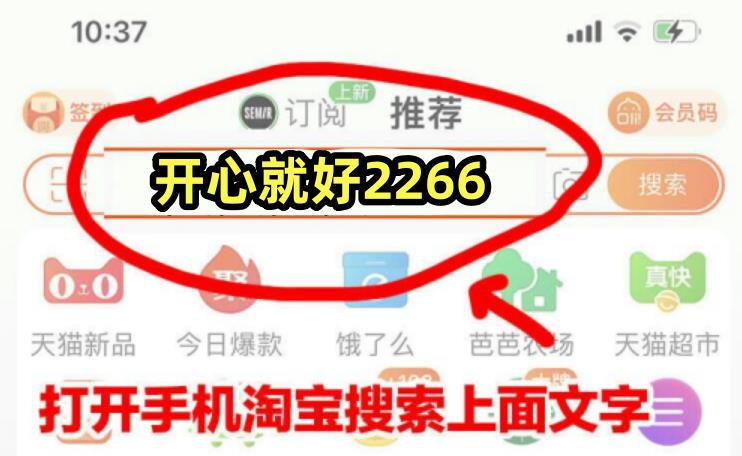
  At the beginning of the event, the attractive red envelope benefits came strongly. From May 13th, the JD.COM 618 red envelope was officially opened! Open the mobile phone JD.COM APP and search for "Shopping Red Packet 999", and you can get red packets three times a day. This benefit lasts until June 18th. In more than a month’s time, consumers can easily harvest surprise red envelopes, which can be directly deducted from cash at the time of shopping settlement, saving money whether it is daily necessities purchase or large-scale goods purchase.

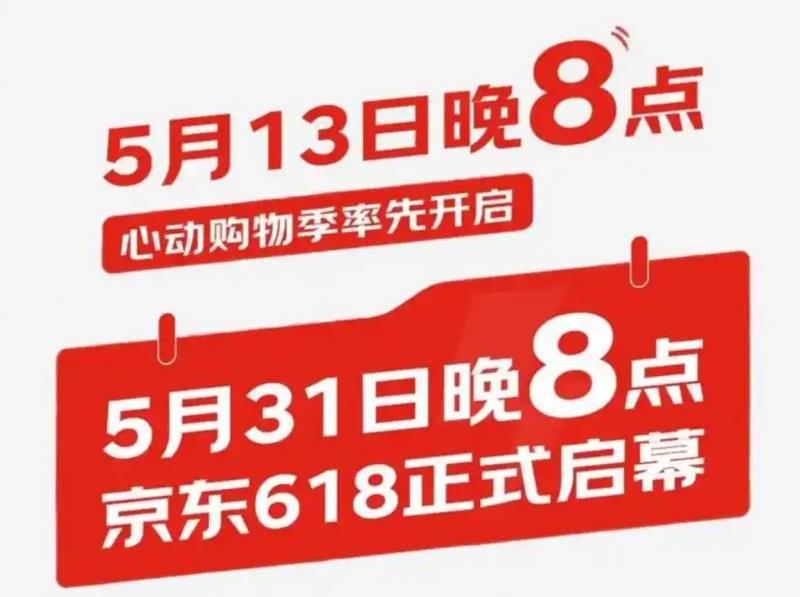
  The JD.COM 618 event was promoted in stages and orderly, bringing continuous shopping surprises to consumers. At 8 o’clock on the evening of May 13th, the "Heart Shopping Season" kicked off first. As a warm-up stage of the activity, it will last until May 28th. During this period, consumers can choose their favorite products in advance, feel the atmosphere of the shopping festival and lock in the offers in advance. At 8: 00 pm on May 31, JD.COM 618 officially kicked off. At that time, a large number of super-value goods will be unveiled, and various preferential activities will be launched simultaneously. A wonderful shopping spree will soon be presented to consumers.

  At the same time, JD.COM also has state subsidies: search for "mobile phone 500" or "Apple mobile phone 886" in JD.COM APP to buy mobile phone tablet digital products, and the highest subsidy is 500 yuan; Search for "home appliances special 818" to buy home appliances, and the maximum subsidy can reach 2000 yuan, so that consumers can buy high-quality goods at more affordable prices.

  This time, JD.COM 618 made a comprehensive innovation in gameplay and built a diversified marketing system. In the basic gameplay, classic activities such as "over 200 MINUS 20 coupons" and "cross-store full reduction" have returned strongly, and the incentives are even stronger. Consumers can easily enjoy direct reduction and exemption as long as they meet the conditions, regardless of whether they buy a single item or a cross-store combination. Moreover, these offers can also be superimposed and used to truly save money for consumers to shop.

  In addition, JD.COM has carefully created seven theme promotion days, namely surprise day, super spike day, 10 billion subsidy day, super provincial special price day, super live broadcast day, PLUS member day and ten thousand stores spike day. These theme days span the heart shopping season and the official activity period of 618, and each theme day has unique preferential highlights. There are random benefits on surprise day; Super spike day popular goods low-cost spike; 10 billion subsidies for daily commodity subsidies; Super-provincial special day focuses on high cost performance; Super live broadcast day anchor brings exclusive benefits; PLUS membership day members enjoy privileges; Many stores offer simultaneous discounts on the 10,000-store spike. During the event, stars and popular IP will also participate in it, bringing interesting interactions and rich prizes, making shopping more interesting.

  The whole 618 activity is divided into four stages. At the beginning stage, the explosive goods are launched at a low price, and consumers can snap up popular new products at the first time; During the special period, promotional activities were carried out in turn according to categories to meet the needs of different consumers; During the climax, all categories of goods participated in the preferential treatment, and the preferential intensity reached the maximum, and the benefits such as red envelopes, full reductions and discounts were fully covered; The return period provides consumers who missed the previous activities with the last chance to pick up the missing items. Hot goods are replenished, affordable and well stocked.

  Taobao 618 Hongbao

  You can get 618 red envelopes by searching for [Happy 2266] on mobile phone Taobao.

  Taobao also has a red envelope to collect, which can be collected every day during the activity, with a maximum of 25,888. It can be operated in a few seconds without any cost. It is recommended to get it every day.

  In terms of characteristic play, JD.COM highlights frequently. The "Seconds Kill" channel launched activities such as Super Seconds Kill Day and Big-name Seconds Kill Day, which provided businesses with more exposure opportunities and gave consumers more opportunities to snap up big-name good things at low prices. The newly launched "State Subsidy× 10 Billion Subsidy" channel combines policy concessions with platform concessions to create the most favorable shopping experience of the year. Consumers can enjoy double subsidies when purchasing a variety of goods and realize low-cost shopping. The "Special Price" channel brings activities such as "50% off special weekend", "2 yuan postage" and "factory direct sale", so that consumers can enjoy value-added shopping. JD.COM app searches for [Shopping Red Packet 999] to get 618 red packets. The "Trial" channel has been upgraded, and JD.COM has invested a lot of resources to implement the model of trying big-name explosive products before buying, which not only ensures the safety of consumers’ shopping, but also helps brands to pull new promotions and achieve a win-win situation.

  In 2025, JD.COM 618 invited consumers to participate in this summer shopping spree with rich welfare and innovative gameplay. No matter you are a consumer who pursues quality or a shopper who pays attention to cost performance, you can find your favorite goods and great discounts in JD.COM 618, start a pleasant shopping trip and enjoy the infinite fun brought by shopping!

Health declaration and inquiry system for migrant workers in our province goes online.


On February 16th, the reporter learned from the Provincial Big Data Center that the health declaration and inquiry system for migrant workers in Sichuan has been officially launched. The platform, jointly developed by Sichuan Big Data Center and Provincial Health and Wellness Committee, can provide health certificates for migrant workers in the province and facilitate their return to work. The platform can fill in personal information anytime and anywhere, inquire about health status, and obtain and use the QR code of health certificate. Online reporting can not only reduce the time spent outside, but also reduce close contact and reduce the risk of cross-infection.

It is understood that the health declaration and inquiry system for migrant workers in Sichuan is an online service platform tailored for the convenience of migrant workers. The health certificate can be declared and checked through the provincial government website, Sichuan government service network, Tianfu Tongban APP, Sichuan Group Defense Express, WeChat applet, WeChat, Alipay and other channels. With the launch of the system, the reporter interviewed relevant R&D personnel to reveal the features and highlights of the system for you.

Why launch this online service system? "One is for the convenience of the masses. Basically, everyone has a mobile phone, through which you can fill in personal information, check health status and use health certificates anytime and anywhere. " The R&D staff told the reporter that migrant workers can fill it out on their mobile phones in advance, and only need to carry out necessary epidemiological history investigation and temperature measurement at hospitals or community health service centers. After passing the examination, they can automatically generate health certificates online, which is very convenient. "At the same time, using this system can ensure safety. Online reporting can reduce the stay time in hospitals or community health service centers, reduce close contact between personnel, and minimize the risk of cross-infection. "

"This system mainly introduces three service functions for migrant workers, inspection doctors, employers, etc." The R&D personnel introduced that the first is the declaration function. Migrant workers can fill in personal basic information, health status and contact history online through the system, and complete the declaration of health certificates independently. The second is the confirmation function. The doctor knows the applicant’s information in advance through the system, measures the body temperature on the spot, asks about the contact history and health status, and confirms the results online and offline. The third is the inquiry function. Employers and destination villages (communities) can scan the health QR code of migrant workers and conduct health check at any time.

It is reported that the system was developed under the authorization of emergency headquarters in Sichuan Province to deal with the novel coronavirus epidemic, and the generated electronic health certificate has the same effect as the paper health certificate. Electronic health certificate can be confirmed with one click, generated immediately, valid within 3 days, and can be used directly online. "Therefore, this system is authoritative, extensive and timely."(Reporter   Chen Song   Liu Wenzao)

Fundus screening of premature infants

Original songlei Shanghai children’s medical center ophthalmology

Why do you want to do fundus screening?

Premature babies are prone to retinopathy of prematurity (ROP), which will develop into serious blinding eye diseases if not treated in time. Premature infants leave their mothers when their organs are not fully developed. At this time, the development of retinal blood vessels is not mature. After birth, due to the change of blood oxygen concentration, abnormal vascular proliferation is prone to occur. Abnormal vascular rupture will lead to retinal hemorrhage, fibrous proliferation and contraction, retinal detachment, etc., and even blindness and eyeball atrophy in severe cases. ROP must be found and treated early. If treated in time, the effect is quite good.

Which children need screening and when?

For premature infants and low birth weight infants with birth weight less than 2000g, the first screening should be conducted at 4-6 weeks after birth or at 32 weeks after gestational age correction. The screening scope of premature infants with serious diseases can be appropriately expanded. The frequency of follow-up is generally determined according to the fundus lesions: once every 2 weeks without ROP, once every 1~2 weeks when ROP is diagnosed, and the interval of ROP follow-up before the threshold should be less than 1 week. Complete vascularization of retina, static lesion, scarring, or having received treatment are the termination time of screening and follow-up for retinopathy of prematurity.

What do you think of ROP inspection results?

Diagnostic criteria divide the retina into three areas:

Zone ⅰ: the central area of the retina in the circle with the optic disc as the center and the radius of twice the distance from the optic disc to the fovea maculata.

Zone II: that annular area of retina with the optic disc as the cent and the distance from the optic disc to the serrated edge of nose as the radiu.

Zone ⅲ: the temporal semilunar retinal region.

The zoning indicates the location of the lesion,

The lesion in area ⅰ is the most serious, and the lesion in area ⅲ is mild.

According to the severity of ROP lesions, it is divided into five stages, and the general lesions develop from stage 1 to stage 5 (as shown below). When the disease reaches stage 4, there is little hope of recovery through surgery.

There is a dividing line between the vascular area and the avascular area around the temporal side of ROP in stage 1.

Stage 3 ROP PLUS(+) not only has crista-like protuberance, but also has additional pathological changes: tortuous dilatation of blood vessels, which is more serious than that in Figure 3.

The boundary of ROP in Phase 2 is widened and uplifted.

Normal fundus

Partial retinal detachment caused by contraction and traction of ROP fibroproliferative membrane in stage 4

Stage 3 ROP cristae, accompanied by hyperplasia and hemorrhage.

Stage 5 ROP total retinal detachment

According to the above classification criteria, the baby with ROP will be recorded in the medical record: ROP in several districts and periods, PLUS(+or-). (Note: PLUS is an additional lesion, showing tortuous dilation of retinal vessels, which is a manifestation of rapid progress of ROP)

Screening process

During hospitalization, the baby’s fundus examination will be arranged by the ward; You can go to the outpatient clinic for examination after discharge.

Outpatient service process:

1. After the attending doctor determines the need for fundus screening, he will prescribe medicine for examination.

2. After the parents pay for the medicine, they start to give the baby some mydriatic liquid medicine. Generally, it takes one hour from the beginning of the medicine to the examination of mydriasis.

3. 1~2 drops of surface anesthetic water will be given before the examination, so that the baby can be examined in a painless state.

4. During the examination, the baby was lying on the bed, and the doctor opened the eyelids with a special eyelid opener for the baby. The retina was examined with binocular indirect ophthalmoscope and wide-angle children’s fundus photography system, and recorded according to the lesion area and lesion degree.

5. The doctor will inform whether treatment is needed and/or the time for the next review according to the examination results.

6. After the baby receives the examination, it needs to use anti-inflammatory eye drops for 3 days.

friendly reminder

Please try to arrive at 13: 00 ~ 14: 00 because you need some eye drops and wait for mydriasis before the examination, otherwise your waiting time will be affected.

In order to avoid aspiration pneumonia or even suffocation caused by excessive milk during examination, parents are requested to estimate the time and stop feeding after starting to order medicine.

You need to hold your baby’s head tightly and fix it during the examination. Please ask parents to understand and cooperate. Generally, the examination time only takes 5~10 minutes. Don’t interrupt or give up the examination because of the crying of children and the distress of adults. If the blindness caused by this happens, you will regret it for life.

ROP emphasizes early detection and early treatment. Early intervention and treatment can achieve normal children’s vision. If found late, it may lead to irreversible blindness. Since 2009, our team has carried out fundus screening for premature babies, with more than 2,500 screenings every year, which has accumulated rich experience, and we will give timely and standardized treatment according to the screening results.

The ophthalmology department of Children’s Center has opened a specialized clinic for newborns and children with basic diseases. Please rest assured that our team will take care of your baby’s bright eyes with you.

Read the original text

Deep reading | Trade in the old for the new, looking forward to changing the "new world" of consumption

Not long ago, the State Council issued the Action Plan for Promoting Large-scale Equipment Renewal and Consumer Goods Trade-in (hereinafter referred to as the "Plan"), proposing key tasks such as carrying out trade-in of automobiles and household appliances and promoting trade-in of home-improvement consumer goods. According to the National Development and Reform Commission, this measure can not only promote technological upgrading of enterprises, improve production efficiency, but also guide residents to upgrade their consumption, realize energy saving and carbon reduction, and reduce potential safety hazards.

To implement a new round of trade-in of consumer goods, major manufacturers and platform enterprises have responded to this trillion-dollar huge market and launched promotional subsidies. What is the feedback from this wave of "more fashionable" markets? Where is the "new" in this round of trade-in? How can production and marketing enterprises and consumers seize the opportunity to achieve a win-win situation of high-quality development and high-quality life?

The home appliance market is moving from "is there" to "is it good"

On March 20th, in the store of Xinjiekou store in Suning.cn, Gao Rongping, a promoter, introduced in detail to Uncle Sun who was interested in buying air conditioners: "The first-class energy efficiency ratio of this Hisense bright air conditioner is as high as 5.28, which is fresh and silent, with a thickness of only 13.4 cm. The paint panel will not turn yellow and discolor after being used for a long time." Gao Rongping said that this air conditioner is currently heavily discounted. She calculated an account. "The market price of air conditioners is 5,099 yuan, which will go straight to 800 yuan during the event. The replacement of old machines at home can subsidize 600 yuan at the highest level, and the actual payment may be as low as 3,699 yuan."

"At present, upgraded products with large size, large capacity and multifunction are particularly popular. Since the launch of the trade-in activity, the sales growth rate of new energy-efficient air conditioners, large-capacity refrigerators and large-screen color TVs over 80 inches has exceeded 120%; Dishwasher sales increased by 103% year-on-year, and dryer sales doubled. " Wang Yisheng, the general manager of Suning.cn Xinjiekou Store, said that the 10 billion-yuan subsidy for trade-in will provide users with a large subsidy of up to 30%, which can be participated online and offline, and also provide services such as free door-to-door, disassembly and handling.

In Wuxi, the ongoing "Revitalization of Quality Life" activity of the 2024 Taihu Shopping Festival has launched a number of preferential policies to boost the release of large-scale consumer demand for household appliances. The maximum subsidy for replacing household appliances is 15%, and the maximum subsidy for a single household is 4,500 yuan. Consumers who purchase new green and energy-saving home appliances and new smart home appliances (the unit price is more than 500 yuan) in the event merchants can use China Unionpay Quick Pass APP payment code to reduce the turnover by 10%, and the maximum single subsidy is 1000 yuan. If the household appliances are trade-in, and the paid-in amount of each piece reaches 4,000 yuan, 6,000 yuan and 10,000 yuan, Wuxi Municipal Bureau of Commerce will give consumers 200 yuan, 300 yuan and 500 yuan extra incentives for trade-in.

The promotion of car companies is also in full swing. BYD launched the activity of "Old Friends Rejuvenating the New Season". During the activity, car owners can get a replacement subsidy of up to 8,000 yuan when they replace BYD’s new energy vehicles in the store, and a new car gift package worth 3,888 yuan. Dongfeng Motor’s trade-in action covers more than 50 models, and the replacement subsidy is expected to exceed 10 billion yuan; FAW-Volkswagen introduced the old car replacement down payment policy …

"In fact," trade-in "is nothing new. As early as 2009, the state launched a combination of" home appliances going to the countryside "and" trade-in ",and enterprises cooperated with the government to implement subsidy policies to recycle and sell services, initially forming an operation mode of trade-in; Since 2016, home appliance sales companies have joined hands with manufacturers to organize their own trade-in activities, subsidize consumers, and develop their own trade-in sales system. " Qian Zhengming, secretary of the Party branch of the Provincial Household Electrical Appliances Association, said.

With the comprehensive popularization of durable consumer goods in China, the demand for upgrading the stock of consumer goods is constantly increasing, and the consumer market is changing from "whether there is" to "whether it is good". According to reports, the home appliance market in Jiangsu Province has accounted for about 10% of the national market over the years, among which it is estimated that there are more than 30 million home appliances in extended service, which has great demand and potential for upgrading. Qian Zhengming believes that the trade-in action will not only enable consumers to enjoy more convenient services and more favorable prices, but also promote the high-end, intelligent and green development of the manufacturing industry. For the society, it will also help to eliminate old household appliances and eliminate security risks.

Let "unwilling to change" and "afraid to change" become "comfortable to change"

I don’t know who to look for to disassemble the toilet, and I want to buy a dishwasher, but there is no reserved position in the kitchen, and the discarded old mattress waste station is not needed … As the real estate industry enters the era of stock, the renovation of old houses has gradually become the main force in the home industry. However, as a kind of low-frequency consumer goods, consumers will not only think twice when buying furniture, but also the disposal of waste furniture often makes people feel quite tricky.

"The biggest problem in this industry is the long consumption decision-making cycle and low conversion efficiency." Bai Yang, the head of Shilin Home Furnishing Division, said that unlike home appliances, automobiles and other industries, the replacement of furniture faces the problems of "difficult handling, difficult handling and low added value of recycling", which makes it difficult for customers to make choices and make decisions.

How to shorten the consumer decision-making cycle? "In addition to providing sufficient discounts in shopping malls, providing convenience services in residential quarters has become an important means to capture service information and increase user stickiness. For example, free recycling of used mattresses, provision of toilet disassembly services, design and local reform of cabinets and balconies … The core is to let consumers see how the service is done and feel the changes in consumption concepts, thus solving the pain points that customers are afraid to change, unwilling to change, and do not know how to change. " Bai Yang said that by integrating merchants to build solutions, the company has now settled in 25 communities and served nearly 1,000 families.

From 2021 to 2023, about 220,000 pieces of household appliances were recycled in Suning.cn, and a total of 19.9 million yuan of old machine residual value subsidies and new machine subsidies were distributed. The proportion of old-for-new appliances was about 3.1%, and there was still much room. In the same period, JD.COM Wuxing recycled 8573 old household appliances, showing a trend of small total and high growth rate. According to statistics, from 2021 to 2023, the household appliance recycling enterprises in Nanjing recycled 3.164 million sets of "four machines and one brain" (TV sets, refrigerators, washing machines, air conditioners and microcomputers).

"At present, the trade-in of home appliances is independently carried out by manufacturers, and the government’s blessing is needed in terms of subsidies and credibility. At the same time, it is necessary to increase publicity, change consumers’ awareness of "home appliances are not broken and not replaced", and help consumers realize the harm of home appliances that are over-aged. In addition, the original definition of trade-in commodities is less, and there are not many participating enterprises. It is necessary to expand the categories and expand the scope of trade-in participating enterprises. " Qian Zhengming suggested.

At present, the automobile consumption demand in the whole province and even the whole country has entered a period of steady development, and the activities of car subsidies are carried out separately in various places, which are more to attract the consumption power of cities with low policy activities and cannot drive new demand.

In this regard, Zhao Qiang, director of the Wuxi Municipal Bureau of Commerce, said that in addition to subsidizing individual consumers who scrap or transfer non-operating passenger cars under their personal names and buy new cars, they will also explore ways to promote the upgrading and expansion of the automobile aftermarket and promote the integrated development of automobile maintenance, cultural experience, professional competitions, vehicle modification and consumer finance. In addition, encourage the transformation from "brokerage" to "distribution", improve the comprehensive management and supporting service functions of the used car market, and encourage qualified enterprises to make full use of various trade promotion platforms to broaden overseas market channels.

Recycle and make good use of misplaced resources.

The "Program" requires the implementation of recycling actions. Improve the recycling network of waste products and equipment, support the circulation and trading of second-hand goods, promote remanufacturing and step-by-step utilization in an orderly manner, and promote the high-level recycling of resources.

On the disassembly assembly line of Nanjing Kaiyan Electronics Co., Ltd., an average ordinary refrigerator produces about 0.4 kg of copper, 0.8 kg of aluminum, 17 kg of iron and 7 kg of plastic after disassembly procedures. Song Guoping, the company’s administrative director, said that the company’s refrigerator line disassembly processing capacity can reach 1,000 units per day, and the annual processing capacity of "four machines and one brain" reaches 1.93 million units. "These renewable resources after resource and harmless treatment have greatly reduced the mining of copper mines and iron mines, reducing carbon emissions and turning waste into treasure."

"Scrapped motor vehicles are a collection of steel, aluminum, rubber, plastics, glass and various non-ferrous metals. If they are dismantled by themselves or by illegal and irregular enterprises, a large number of rubber, plastics and glass will be abandoned and burned, which will seriously pollute the ecological environment. In addition, illegal dismantling of scrapped motor vehicles, vehicle transactions and cross-regional transfer will pose great security risks to road traffic. " Li Zheng, general manager of Nanjing Coson Ning Environmental Protection Technology Co., Ltd. said that scrapped motor vehicles must be disposed of in accordance with the Law on the Prevention and Control of Environmental Pollution by Solid Wastes, and it is suggested that they be scrapped in the vehicle registration area and managed locally.

"At present, China is at the peak of household appliances scrapping. However, at present, enterprises are carrying out the" trade-in "activity, and most of the recycled waste household appliances, except air conditioners, have nowhere to be accepted and piled up in the open air, causing environmental pollution. Some of them flow to the second-hand market and illegal dismantling channels. Even if they enter the formal dismantling enterprises, they have gone through many links, and the expenses are high, so the enterprises lack enthusiasm for operating at a loss. In addition, the’ illegal dismantling’ of used household appliances has no environmental protection disposal facilities, and there is no actual tax payment at the recycling end and the sales end, and the operating cost is low, which directly leads to the lack of competitive advantage in the price of formal dismantling enterprises, resulting in bad money expelling good money. " Qian Zhengming said.

Sun Bo, Secretary-General of Nanjing Renewable Resources Association, said that the recycled waste materials should not just be scrapped, but must enter the formal recycling and dismantling enterprises, and then enter the remanufacturing process, so as to realize the goal of turning old materials into new ones and turning waste into treasure.

The reporter learned from the Nanjing Municipal Bureau of Commerce that this year, we will speed up the cultivation of home appliance recycling and dismantling industries, standardize and rectify the circulation order of second-hand home appliances, and strictly prohibit the illegal renovation and disassembly of three-no products from entering the consumer market. Accelerate the development of "replacement+recycling" logistics system and new model, support household appliance production and sales enterprises to build reverse logistics system through distribution, installation, maintenance and other channels, or cooperate with professional recycling enterprises to recycle waste household appliances at home. Explore the formulation of local standards or industry standards for the service life and scrapping conditions of different types of household appliances, and relax the qualification control of household appliance production and sales enterprises applying for electronic and electrical products processing. At the same time, encourage capable dismantling enterprises to expand home appliance recycling business to the front end, and encourage the construction of recycling network system.

Xinhua Daily Meeting Point reporter Lin Shantian Mochi/Wen Hua Su Jie/photo