Chronic obstructive pulmonary disease, the prevalence rate of men over 70 years old is nearly 50%

Recent studies have found that chronic obstructive pulmonary disease (COPD) is one of the significant factors that affect the death of patients in COVID-19. Among the dead people in COVID-19, the proportion of patients with chronic obstructive pulmonary disease is 6%, but only 1% among the surviving people. In addition, although patients with chronic obstructive pulmonary disease may not be more likely to be infected with Covid-19, they are more likely to die when they are infected.

What is chronic obstructive pulmonary disease? Chronic obstructive pulmonary disease (COPD) is a chronic bronchitis and/or emphysema characterized by airflow obstruction, which can further develop into chronic diseases of cor pulmonale and respiratory failure. Different from common chronic diseases such as hypertension and diabetes, chronic obstructive pulmonary disease is often not well known.

1. The prevalence rate of COPD in men over 70 years old is nearly 50%, and the difference between male and female is nearly 1 time.

According to the latest China Lung Health Survey (CPH2018), among 50,991 people surveyed from June 2012 to May 2015, the prevalence rate of COPD was 8.6%. Based on this, it is estimated that about 99,900 million people in Chinese suffer from COPD. The prevalence rate of COPD increases with age. The prevalence rate of people over 40 years old is significantly higher than that of people aged 20-39. The prevalence rate of COPD in men over 70 years old is nearly 50%. At the same time, the prevalence rate of men in all age groups is higher than that of women, and the prevalence rate of men over 30 years old is more than twice that of women.


                                Figure 1: Prevalence of COPD in different gender and age groups.

2. Smoking is the main risk factor, and air pollution is the main risk factor for non-smokers to get sick.

CPH2018 also made a statistical analysis of possible risk factors of COPD, including smoking, air quality, BMI, family history, education, etc. The results showed that smoking, air pollution, low BMI and parents’ history of respiratory diseases were all risk factors of COPD, among which smoking and air pollution were the main risk factors.


                         Figure 2: odds ratio (OR) of 2:COPD risk factors

Note: odds ratio (OR, Odds ratio) is the ratio of the exposed and unexposed people in the case group divided by the ratio of the exposed and unexposed people in the control group. Greater than 1 indicates that this factor is a risk factor, less than 1 indicates that this factor is a protective factor, and equal to 1 indicates that this factor does not work.

The analysis also shows that smoking history has a significant impact on the overall prevalence of COPD, and the prevalence of COPD increases with the increase of smoking years. Air pollution has no significant effect on the prevalence of COPD in the whole population, but it has a significant effect on non-smoking groups. The more serious air pollution is, the higher the prevalence of COPD is.

            Figure 3: Smoking history and COPD prevalence Figure 4: Smoking years and COPD prevalence.


                                 Figure 5: Air quality and COPD prevalence rate

The Prospective Research Project of Chronic Diseases in China also published a survey of 280,000 non-smoking adults in China in 2019. The results show that using solid fuel is an important risk factor for major respiratory diseases, and switching to clean fuel such as natural gas can reduce the risk. Because chronic obstructive pulmonary disease is related to the concentration of sulfur dioxide and carbon monoxide, people who are engaged in jobs with dust environment, such as teachers and coal miners, are also prone to COPD.

3. The prevalence rate of people over 40 years old is different in different regions, with the highest in southwest China (20.2%) and the lowest in central China (10.2%).

The research conducted by China Center for Disease Control and Prevention on 66,752 people in 2014-2015 found that the prevalence rate of COPD over 40 years old also showed obvious differences in different regions, with the highest prevalence rate in southwest China (20.2%) and the lowest in central China (10.2%).


                        Figure 6: Prevalence rate of COPD among people over 40 years old in different regions.

4. Up to 56% of COPD patients may have cognitive impairment.

A large number of neuropsychological tests suggest that up to 56% patients may have cognitive impairment. The Global Initiative for Chronic Obstructive Pulmonary Disease (GOLD)2021 also pointed out that cognitive impairment is common in COPD patients, and the prevalence and severity vary according to the evaluation type, with an average prevalence of about 32%. Moreover, cognitive impairment will aggravate the health problems of COPD patients. Compared with patients with single disease, patients with cognitive impairment and COPD have a higher respiratory-related hospitalization rate of 48% and a higher mortality rate of 3 times. Therefore, it is particularly necessary to help patients with complications to carry out effective self-management.

In addition, cardiovascular disease, osteoporosis, depression/anxiety are also common and important complications of COPD.

5. The mortality rate of COPD has decreased obviously year by year, but it is still high compared with other developed countries.

The mortality rate of COPD in China decreased from 99/100,000 in 1990 to 68/100,000 in 2017, and the mortality rate of standardized age decreased by 68.6%. Although the mortality rate in China is decreasing year by year, it is still at a high level compared with other developed countries (see the figure below).

                       Figure 7: Mortality rate of male COPD patients aged 50-74 in countries around the world.


6. The diagnosis rate is lower than 30%, and the proportion of hospitalization is lower than that of outpatient treatment.

The diagnostic rate of COPD in China is between 23.61% and 30.00%, which shows that the diagnostic rate of COPD in China is low and the missed diagnosis and misdiagnosis are serious. On the one hand, COPD is asymptomatic in the early stage. In epidemiological screening, more than 70% of patients (I~II stage) have little or no symptoms, and even if they have symptoms, they just cough and expectoration, which has not attracted the attention of patients. On the other hand, due to the cost of examination and technical operation, lung function examination, as a gold standard for the diagnosis of COPD, has not been popularized in many hospitals (especially in primary hospitals), resulting in many patients not being diagnosed with COPD in time and delaying treatment.

             Table 1: COPD pulmonary function staging (GOLD staging) [After inhaling bronchodilator]

In addition, the diagnosis and treatment of COPD in China is also more severe. The conventional treatment rate of COPD patients is only 7.9%, and 84% of patients with stage ⅱ and above have not received treatment. The proportion of COPD patients receiving outpatient treatment is about 50%, while the proportion receiving hospitalization is only between 8.78% and 35.60%.

7. The average medical expenses of COPD ranged from 5,000 yuan to 16,000 yuan.

At present, no scholars have studied the medical expenses of COPD patients nationwide, and most of the research on COPD expenses is limited to local or regional areas.

A study on the medical expenses of COPD patients in Ningbo, Zhejiang Province found that from October 2012 to October 2013, the hospitalization expenses of male patients and female patients are shown in the following table. Among them, the average total hospitalization expense for men is 16,000 yuan, while that for women is 14,500 yuan, and only about 30% is borne by individuals.


                            Table 2: Hospitalization expenses of COPD patients in Ningbo, Zhejiang Province

In recent years, because the prevalence rate in southwest China is higher than that in other regions, many scholars have begun to choose southwest China to study the treatment cost of COPD patients. The following table is part of the research results, from which we can find that the overall cost of the western region is low, and the average hospitalization cost does not exceed 10 thousand yuan. In addition, according to the survey data of Sichuan province, the cost of western medicine accounts for the highest proportion, accounting for 38.32%, followed by the cost of diagnosis, accounting for 24.41%.


                               Table 3: Hospitalization expenses of COPD patients in western China 

8. About 58% of commonly used drugs for COPD have been included in the medical insurance catalogue.

COPD can be divided into stable stage and acute exacerbation stage according to the progress of the disease course. In the stable stage, the symptoms such as cough and shortness of breath are stable or mild, while in the acute exacerbation stage, the respiratory symptoms that lead to additional treatment are seriously aggravated, and the patients’ cough and wheezing are aggravated, or may be accompanied by fever and other inflammatory manifestations. Drug therapy is a common treatment for COPD. GOLD2021 edition points out that drug therapy can alleviate COPD symptoms and reduce the frequency and severity of acute exacerbation. At present, there are data showing that drug therapy can reduce mortality. It is worth noting that COPD patients need to take drugs for a long time, mainly inhaled drugs, supplemented by oral drugs. With the progress of COPD, the therapeutic drugs and management methods used have been adjusted.

References:

 [1] China Pulmonary Health Study Group. Prevalence and risk factors of chronic obstructive pulmonary disease in China (the China Pulmonary Health [CPH] study): a national cross-sectional study. Lancet. 2018 Apr 28; 391(10131):1706-1717. doi: 10.1016/S0140-6736(18)30841-9. Epub 2018 Apr 9. PMID: 29650248.

[2] Li G, Liu Y, Jing X, et al. Mortality risk of COVID-19 in elderly males with comorbidities: a multi-country study. Aging (Albany NY). 2020 Dec 31; 13(1):27-60. doi: 10.18632/aging.202456. Epub 2020 Dec 31. PMID: 33472167.

[3] Zhu B, Wang Y, Ming J, et al. Disease burden of COPD in China: a systematic review. Int J Chron Obstruct Pulmon Dis. 2018 Apr 27;13:1353-1364. doi: 10.2147/COPD.S161555. PMID: 29731623; PMCID: PMC5927339.

[4] GBD 2016 Causes of Death Collaborators Global, regional, and national age-sex specific mortality for 264 causes of death, 1980–2016: a systematic analysis for the Global Burden of Disease Study 2016. Lancet. 2017;390:1151–1210.

[5] Zhou M, Wang H, Zeng X, et al. Mortality, morbidity, and risk factors in China and its provinces, 1990-2017: a systematic analysis for the Global Burden of Disease Study 2017. Lancet. 2019 Sep 28; 394(10204):1145-1158. doi: 10.1016/S0140-6736(19)30427-1. Epub 2019 Jun 24. Erratum in: Lancet. 2020 Jul 4; 396(10243):26. PMID: 31248666; PMCID: PMC6891889.

[6] Chan K H , Kurmi O P , Bennett D A , et al. Solid Fuel Use and Risks of Respiratory Diseases: A Cohort Study of 280, 000 Chinese Never-Smokers[J]. American Journal of Respiratory and Critical Care Medicine, 2019, 199.

[7] Lowe KE, Regan EA, Crapo JD, et al. COPDGene? 2019: Redefining the Diagnosis of Chronic Obstructive Pulmonary Disease. Chronic Obstr Pulm Dis. 2019 Nov; 6(5):384-399. doi: 10.15326/jcopdf.6.5.2019.0149. PMID: 31710793; PMCID: PMC7020846.

Shi Bijun, Zhang Tao, Cui Jun, Wang Yong, AARON Li. Analysis of direct economic burden of 803 patients with chronic obstructive pulmonary disease in Ningbo community, Zhejiang province [J]. Disease surveillance, 2015,30(4):300-304.

Zhao Hanqing, Li Xinyi, Tank Tan, et al. Analysis of hospitalization expenses of patients with chronic obstructive pneumonia in Sichuan Province [J]. Health Soft Science, 2020, v.34; No.292(05):57-62.

[10] Wang Lianhong, Luo Qian, Zhang Li. Analysis of disease cost of patients with chronic obstructive pulmonary disease in Zunyi area in 2014 [J]. Guizhou Medicine, 2015, 000(011):1048-1049.

[11] Yu Juan. Analysis of hospitalization expenses and influencing factors of patients with chronic obstructive pulmonary disease in Lanzhou urban hospital [D]. Lanzhou: Lanzhou University, 2018.

[12] Zhong Nanshan. Research progress on prevention and treatment of chronic airway diseases in 2017 [J]. West China Medicine, 2018,33(01):1-7.

After 13 years of control, cigarettes are sold more and more. Has the tobacco control bonus been "eaten up"?

  "Healthy China 2030" Planning Outline clearly points out that by 2030, the smoking rate of people over the age of 15 will be reduced to 20%, so a series of smoking ban measures have been introduced in various places. However, according to the reporter’s investigation, since 2017, China’s cigarette sales have stopped falling and rose. According to industry insiders, the situation of adolescent smoking and second-hand smoke is still serious, and new types of tobacco, such as e-cigarettes, are "cultivating" young smokers. At the same time, the tobacco control bonus brought by the tax increase on tobacco products has been "eaten up" and the "tug-of-war" of tobacco control continues.

  After thirteen years of smoking control, cigarettes are sold more and more.

  It is understood that the WHO Framework Convention on Tobacco Control came into effect in China in January 2006. In order to fulfill the Convention on Tobacco Control, in 2015, China raised the tobacco consumption tax, which led to the decline of cigarette sales in 2015 and 2016, and achieved the effect of controlling tobacco consumption. However, according to the official data of Tobacco Monopoly Bureau, in 2017, the sales volume of cigarettes in China stopped falling and rose, with 47.378 million boxes sold in the whole year, up by 0.8% compared with 2016.

  The reporter’s investigation found that under the general trend of national tobacco control, the tobacco authorities are still actively seeking how to expand sales and increase tobacco consumers. For example, an insider of Jinan Tobacco Monopoly System published a paper "Analysis on the Factors of Cigarette Sales Growth in Jinan Market", suggesting that "for ordinary wage earners, activities such as buying a certain number of cigarettes to give away other necessities of life, such as giving away laundry soap, towels, etc., can be carried out, and the consumer can use the original expenditure on daily necessities to buy cigarettes, thus increasing cigarette consumption expenditure and giving him the opportunity to cultivate new consumption habits."

  Tobacco companies are actively exploring new rural markets. Among the outstanding papers of Guangxi Tobacco in 2016-2017, there is a paper saying that "the current tobacco control regulations have not had a great impact on the rural market, and the smoking environment in rural areas has not been greatly restricted, and the consumer groups and smoking habits are relatively stable, which provides a favorable environment for improving sales volume and structure", "Guangxi Baise Company & HELIP; … Deeply tap the potential of rural market, and achieved certain results. In 2015, the sales volume and structure of the rural market maintained growth. When the total sales volume of the whole city was basically the same as that of the same period of last year, the rural market sold a total of 37,235 boxes of cigarettes, an increase of 645 boxes year-on-year, an increase of 1.8%. "

  Teenagers’ "first cigarette" is easier to get.

  According to the statistics of the State Tobacco Monopoly Bureau, the sales volume of Double Happiness in the first half of 2017 was as high as 1,935,000 boxes, followed by Yunyan, Liqun and Hongtashan, and the prices of their main varieties were all around 10 yuan. According to CDC statistics, 50% of smokers spend no more than 9.9 yuan on a box of cigarettes, and there is no difference compared with 2015. The proportion of the cost of purchasing 100 boxes of cigarettes to the per capita GDP in the same year decreased from 2.0% in 2015 to 1.5%.

  According to the reporter’s investigation, low-priced cigarettes "occupy" the vast market, and many young students have also become consumers of low-priced cigarettes. At present, China only counts smokers over the age of 15, and the relevant anti-smoking propaganda is mainly aimed at this group of people over the age of 15. However, teenagers under the age of 15 have been able to contact and buy cigarettes, especially many left-behind children can control their living expenses independently, and their parents’ supervision is insufficient. At the same time, some tobacco companies have also introduced "low tar content" cigarettes to promote their little harm and lure teenagers to try.

  Wan Xia, an associate researcher at the Institute of Basic Medicine, China Academy of Medical Sciences, said that it is "convenient" and "cheaper" for teenagers to buy cigarettes. Some cigarette shops even unpack cigarettes and sell them individually, and each cigarette costs only a few cents, so teenagers can buy the "first cigarette" in their lives and may become addicted from now on.

  Some new tobacco products are becoming popular, such as e-cigarettes, heated non-combustible cigarettes, and so on. These products are playing advertisements that are harmless to health. These new tobacco products are used in the same way as traditional cigarettes. Some researchers have found that a large proportion of new tobacco users will gradually take up traditional cigarettes, and "e-cigarettes" are cultivating new smokers.

  Tobacco control urgently needs "strong medicine"

  On the one hand, it is public health, on the other hand, it is rich profits, and the "tug-of-war" between the two sides of tobacco control interests is becoming more and more fierce. According to the Survey Results of Adult Tobacco in China in 2018 released by CDC, the smoking rate of people aged 15 and above in China was 26.6% in 2018, including 50.5% for men, 2.1% for women, 28.9% for rural areas and 25.1% for cities. Compared with the previous survey results, the smoking rate shows a downward trend, but it is not the same as achieving the tobacco control goal of "Healthy China 2030" — — There is still a big gap between "the smoking rate of people over 15 years old will drop to 20% in 2030".

  According to industry insiders, while China’s economy is developing rapidly and residents’ income is increasing, tobacco prices are relatively "stable", which leads to the "tobacco control dividend" brought by the tax increase on tobacco products in 2015 being "eaten up".

  A team study by Professor university of international business and economics and Zheng Rong, director of the WHO Center for Tobacco Control and Economic Policy Cooperation, found that during 2001-2016, China’s ability to pay for cigarettes continued to increase because the income of China residents increased more than the price of cigarettes. The reporter also learned from the investigation that the consumption level of students has improved, and many of them have smoked more than a dozen or twenty cigarettes.

  Experts believe that the most powerful tobacco control weapon that the government can use is taxation. It is suggested that China’s tobacco tax should be changed from ad valorem to specific quantity, and the price of low-priced cigarettes should be raised, which is more obvious for low-income people and teenagers. These two groups of people are more sensitive to price because of their limited income. This is also the most important target group for tobacco tax increase to achieve the effect of tobacco control, which can not only reduce the "first smoke" of teenagers, thus reducing the number of new smokers, but also reduce the smoking volume of low-and middle-income smokers.

  In addition to the lag in tax adjustment, experts believe that China’s tobacco control efforts and policies are not enough. For example, the World Health Organization’s Framework Convention on Tobacco Control stipulates that China should adopt legislative measures to achieve 100% smoke-free indoor public places, workplaces and public transport within five years of its entry into force. The Convention came into effect in 2006, and the Regulations on the Control of Smoking in Public Places (Draft for Comment) just issued in Wuhan in May even suggested setting a three-year "buffer period" for smoking bans in entertainment, restaurants and other places. This also means that smoking in these places will be restricted within three years, and smoking will be completely banned after three years, which not only runs counter to the spirit of the Convention, but also indoor smoking areas have become the source of second-hand smoke.

  Experts believe that the law must impose heavy penalties for violating the smoking ban, especially indoor smoking ban. Zhou Ning, an associate professor of cardiovascular medicine in tongji hospital affiliated to Tongji Medical College of Huazhong University of Science and Technology, said that setting up smoking areas can’t eliminate the harm of second-hand smoke. The results of the technical feasibility study of the smoking room in Hong Kong University of Science and Technology show that any engineering technology, such as exhaust, ventilation and designated smoking areas, can not avoid exposure to tobacco smoke, effectively protecting public health.

  The role of health education also needs to be strengthened. Cui Xiaobo, vice president of Beijing Smoking Control Association and a professor at Capital Medical University, said that while reminding health risks and reducing the willingness to smoke, warning pictures of cigarette cases will effectively curb the current trend that many high-end cigarettes are given as gifts. There are 118 countries/jurisdictions in the world that have finally determined that tobacco packaging must adopt the requirement of picture warning, covering 58% of the world population, which is an achievement of global public health.

  "In the Internet and self-media era, tobacco advertisements have spread to new media such as WeChat and Tik Tok. Therefore, banning tobacco advertisements in new media and carrying out health education on tobacco hazards are likely to affect a large number of young people and prevent them from becoming new smokers." Ma Jun, director of Peking University Children and Adolescent Health Research Institute, said.

The attack can reach ten levels of pain, and over 90% of adults carry the virus for life.

Original Dr. Zeqiao, Dr. Zeqiao

Imagine that there is a virus lurking in your body, which quietly ambushes and waits for an opportunity to make you "miserable". More than 90% of adults will carry this virus, which is ready to attack at any time, but we often don’t know it …

This virus is the varicella-zoster virus that causes herpes zoster.

Once infected, carry it for life!

After the first infection, about 70% people will have symptoms of chickenpox, while 30% people will not get sick and become recessive infection. The virus is quietly lurking in the "neurons of the spinal dorsal root ganglion". Terrible is, regardless of symptoms, this virus will be carried for life, and may be activated at any time due to decreased immunity, thus causing herpes zoster.

The pain during the attack is unimaginable.

The pain of herpes zoster can reach ten levels, which has reached the highest level among the most commonly used pain levels at present! At the time of attack, there are various forms of neuralgia, including knife-like, acupuncture-like and burning-like pain, which usually intensifies at night, making it difficult for people to sleep. What’s more, even if the herpes is cured, there may be a long-term neuralgia. According to statistics, about 9%~34% patients with herpes zoster will suffer from this kind of torture, and the pain may last for more than one year, or even as long as 10 years or more.

Treatment within 72 hours is crucial.

Although herpes zoster is a self-limiting disease, most people will heal themselves in about two or three weeks. However, the golden period of herpes zoster treatment is 72 hours! Receiving antiviral treatment in time within 24~72 hours after the appearance of rash can not only effectively control pain, accelerate the healing of rash, but also reduce the risk of post-traumatic neuralgia. Especially when the lesions occur in the head and face, immediate treatment is needed to avoid serious complications.

Who is more likely to be the "target" of herpes zoster?

Epidemiological data show that about one third of adults will suffer from herpes zoster once or more in their lifetime.

Especially the following five high-risk groups, we should be more vigilant:

1. Middle-aged and elderly people over 50 years old: With the increase of age, human immunity gradually declines, and the resistance to varicella-zoster virus weakens. In addition, the risk of herpes zoster in women is relatively higher.

2. Patients with immune system diseases: such as cancer patients, patients with lupus erythematosus, AIDS-infected people, etc., are more prone to herpes zoster due to low immune function.

3. Patients with chronic diseases: such as diabetes, chronic obstructive pulmonary disease, cardiovascular disease, chronic kidney disease, asthma and other chronic diseases, their risk of herpes zoster is also significantly increased.

4. Sub-healthy people: Long-term staying up late, improper diet, sedentary and other bad habits lead to decreased immunity, making this group of people more susceptible to infection.

5. People who regularly take hormones: Hormones will inhibit immune function, and excessive dependence on hormones may even lead to the disappearance of immunity, thus increasing the risk of herpes zoster.

How to prevent herpes zoster?

1. Vaccination: the most effective protection

The data show that within 3 years after vaccination with herpes zoster vaccine, the protective effect on adults aged 50-59 is as high as 96.6%. Therefore, people over 50 years old and people who have suffered from herpes zoster twice or more should be actively vaccinated.

2. Improve immunity

Regular work and rest: It is recommended to fall asleep before 23 o’clock every night, ensure 7-9 hours of sleep, and improve immune cell activity.

Balanced diet: eat more than 12 different kinds of food every day, not less than 25 kinds every week to ensure adequate nutrition; It is recommended to eat more fresh vegetables and fruits, whole grains and potatoes, and supplement probiotics.

Appropriate exercise: It is recommended to carry out moderate-intensity aerobic exercise for 30~45 minutes five times a week, such as jogging, cycling, yoga, etc., to enhance physical fitness.

Step 3 avoid contact

Although herpes zoster is not contagious, close contact with patients should be avoided, especially touching herpes fluid. When there are patients with herpes zoster at home, isolation measures should be taken. At the same time, pay attention to daily disinfection and indoor ventilation to reduce the chance of virus transmission.

To sum up, varicella-zoster virus is hidden in more than 90% adults, and once infected, it will be carried for life. Herpes zoster has a strong pain and may be accompanied by postherpetic neuralgia, so it should be treated with antiviral therapy in time. High-risk groups need to be vigilant, and herpes zoster can be prevented by vaccination, improving immunity and avoiding contact with patients.

That’s the headline of Dr. Zeqiao’s health. See you tomorrow!

References:

[1] Expert Group on the Compilation of the Consensus of Diagnosis and Treatment of Postherpetic Neuralgia. China Expert Consensus on Diagnosis and Treatment of Postherpetic Neuralgia. China Journal of Pain Medicine. 2016; 22(3):161-167.

[2] Johnson RW,Alvarez-Pasquin MJ,Bijl M, et al. Herpes zosterepidemiology,management, and disease and economic burden in Europe: a multidisciplinary perspective[J]. Ther AdvVaccines, 2015,3( 4) : 109 - 120.

Quan Yaru, Li Changgui. Chickenpox and herpes zoster and their vaccines. China Food and Drug Administration, 2019, 183(04):87-91.

Read the original text

Tesla raised $2 billion, and Musk said the company’s market value will increase tenfold.

  On May 2, local time, Tesla announced that it would refinance US$ 2 billion, including the newly issued US$ 650 million common shares (about 2.7 million shares) and US$ 1.35 billion convertible bonds, to maintain the overall operation of the company.

  Financing is like "tearing off a band-aid"

  Tesla CEO Musk said at the investor conference that although Tesla currently has enough cash flow to support its business development, having more cash will help Tesla to buffer in order to cope with the unexpected macroeconomic situation and the potential demand headwinds in the automobile market.

  Musk was finally willing to "plan ahead" to face the reality, and also let investors worried about Tesla’s tight cash flow breathe a sigh of relief. Dan Ives, managing director of the asset research department of Wedbush Securities, a wall street brokerage, believes that Tesla’s financing decision is like "tearing off a band-aid". He said: "Tesla is finally willing to listen to investors. Before, the market was worried that Tesla might not have enough cash to support it through the second quarter. The data can tell everything."

  In this round of financing, Musk said that he would buy Tesla shares worth $10 million (about 41,896 shares). According to InsiderScore, Musk’s move to buy back shares implies that the market can buy Tesla shares in the short term. In the three months after Musk’s five purchases, Tesla’s share price rose by more than 40% on average.

  In addition, the new documents show that Musk personally owes more than $500 million in loans to investment banks. According to Tesla’s latest submission, Musk personally owed $213 million, $209 million and $85 million to Wall Street investment banks Goldman Sachs, Morgan Stanley and Bank of America, respectively, but this was $117 million less than that of the same period last year. Last year, Musk personally owed $624 million to investment banks.

  Musk holds about 20% of Tesla’s shares, with a total value of 8 billion to 12.6 billion US dollars. Tesla warned that if the stock price continues to fall and the bank forces Musk to sell some of its shares, it may in turn put new pressure on the stock price.

  It is worth noting that the primary participants in Tesla’s new financing plan, including Goldman Sachs and Citigroup, have all given Tesla shares a "sell" rating, which is relatively rare on Wall Street.

  The market value should reach 500 billion dollars.

  After Tesla announced a $2 billion financing plan, its share price rose by 4%. However, this year, Tesla’s share price has fallen by nearly 30%, with a market value of $42 billion. Musk also told investors recently that autonomous driving will make Tesla a company with a market value of more than 500 billion US dollars.

  This means that Tesla’s market value will be more than 10 times on the current basis. According to Musk, Tesla will become a "value-preserved" model. He expects that the value of each Tesla will be between 150,000 and 250,000 US dollars in three years, thanks to the upgrade of Tesla’s autopilot software. He also predicted that there will be 1 million autonomous Robotaxis on the road next year.

  However, Musk’s confidence has also been doubted by analysts. For example, Jeffrey Osborne, an analyst at Cowen, a Wall Street investment bank, wrote in a letter to investors: "We believe that the transformation of Tesla’s technology and execution strategy will face great risks. If Tesla wants to compete with NVIDIA in hardware, Google Waymo in software, and the shared taxi platform that is dominant in the current market in the operation of self-driving taxis, it is very difficult to achieve."

  Osborne also pointed out that Tesla did not fully plan how to operate self-driving taxis, because some basic questions have not been answered, such as pricing, insurance liability and legal supervision. Musk said after the earnings conference last month that Tesla is considering launching its own insurance financial products.

  Zach Kirkhron, Tesla’s newly appointed CFO, maintained his expectations for the company’s prospects at the investor conference, that is, 90,000 to 100,000 Tesla vehicles were delivered in the second quarter and 360,000 to 400,000 Tesla vehicles were delivered throughout the year.

  Qian Tongxin

Teach you several usages of Google trends, and learn them as soon as you are in an overseas market.

Do you know Google trends? If you are doing overseas business, you should have heard about it. Google Trends can help you analyze your competitors, understand the hot news of various countries and analyze market segments.

Google is the largest search engine in the world, and there are more than billions of information and data searched by Google every day. Google Trend is its product. Through Google Trend, you can get related keyword popularity and trends from all over the world and so on. Here are some usages of Google Trend, so you can learn it quickly if you are in an overseas market.

1. View the latest hot search

When you open the Google Trends website, you can see that there is a popular section in the upper left corner, which is the hottest topic in every country at the moment, arranged from top to bottom according to the highest heat.

Different countries have different topics. You can choose the corresponding countries according to the market you have made to check the hot topics. Combining hot topics can help you understand what users are concerned about now, and then combine them to provide ideas for your social media update.

Generally speaking, this section is more suitable for those blog forums or technology websites that output articles, because writing articles must keep up with current events. Of course, if you are a seller, you can also pay attention to whether there are popular products through popular search. For example, if there is a hot topic in cycling season, and you sell bicycles, then you can consider whether to increase the promotion.

Teach you several usages of Google trends, and learn them as soon as you are in an overseas market.

Image source: trends.google.com

Step 2 analyze competitors

Google Trends can search for keywords, such as brand name or product model, and customize the time range to view its hot trends. You can check the trend of competitors’ popularity by entering their brand names or competing products. If the popularity of your competitors suddenly soars or continues to surpass yours in a certain period of time, then you should analyze what happened during that period, whether your competitors made strategic adjustments, etc., and how you can make your own adjustments to this point.

Take Xiaomi SU7 as an example. On March 34, 2024, Xiaomi SU7 held a press conference and was officially delivered on April 3. We input Xiaomi SU7 into Google Trend, and we can see that its popularity has a rapid growth trend from March 17th to April 6th, 2024.

Teach you several usages of Google trends, and learn them as soon as you are in an overseas market.

Image source: trends.google.com

The reason for this obvious peak must be the release, listing and delivery of the new car. At that time, Xiaomi SU7 really caused a very heated discussion, and the search for SU7 on the Internet also increased significantly. Similarly, if you want to search for other competing products, you can also search in this way.

In addition to directly searching for competitors’ keywords, you can also enter your own brand or product for comparison at the same time. Google Trends will simultaneously give a comparison chart of the heat of two competing products, which can visually see how the competition between them is in each time period, and also help sellers to analyze whether there are problems in their marketing strategies.

Teach you several usages of Google trends, and learn them as soon as you are in an overseas market.

Image source: trends.google.com

3. Judge whether it is a seasonal product.

Some products with special properties are seasonal products, such as Mother’s Day gifts, Christmas gifts, hand warmers, etc., which cannot be "resident" products because of their unique attributes. We can also judge these products by using Google Trends.

For example, when searching for Christmas gifts, we can see that there is an obvious peak in the trend from mid-December to Christmas Eve, and the search volume in the rest of the time is almost zero, which is a very obvious seasonal trend.

There are also some products whose seasonality is not particularly obvious that we need to search and judge through Google Trends, such as sunglasses. Most people will think that sunglasses are more needed in summer when the sun is strong, but in fact, through search, we can see that sunglasses have peaked in most time periods of the year, which is convenient for sunglasses sellers to find the right time and increase their promotion efforts.

Teach you several usages of Google trends, and learn them as soon as you are in an overseas market.

Image source: trends.google.com

4. Analyze market segments

By analyzing market segments, it helps sellers to find the target market more accurately and launch marketing planning for the target market. I can give an example of Google trends with laptop as the key word.

Search for laptop in the past 90 days in the United States, and the top five in terms of search popularity are New York, Washington, Virginia, Columbia, and Texas.

Through the inquiry of each region, we can see that New York State mentions Lenovo brand more, and Virginia mentions HP more. This will help merchants to make targeted marketing strategies according to the degree of brand preference of each state, and the user market will be more accurate, which is very beneficial to sales.

Teach you several usages of Google trends, and learn them as soon as you are in an overseas market.

Image source: trends.google.com

Teach you several usages of Google trends, and learn them as soon as you are in an overseas market.

Image source: trends.google.com

5. Find accurate keywords

Like e-commerce platforms such as Amazon, the keywords of products are very important for your ranking in search engines, and only when you use the right keywords can you get ahead.

There are many paid keyword research tools on the Internet, but we can use Google Trends, a free tool, to query keywords, so as to determine what keywords are more accurate.

Let’s take laptop as an example. When we search laptop and laptop computer at the same time, we can see that the interest index of laptop is much higher than laptop computer, which shows that the word laptop is more accurate.

Teach you several usages of Google trends, and learn them as soon as you are in an overseas market.

Image source: trends.google.com

In addition, by looking at the related query section below, we can see the hot topics related to the searched keywords, such as "shop luggage" and "snapdragon x elite laptop", which will help businesses find some potential customer needs.

6. Optimize Google shopping strategy

Google Shopping Advertising is also a very important promotion strategy for businesses that make sea brands. In addition to the functions mentioned above, Google Trend can also search Google Shopping Data, just switch.

We use glove as the key word to search, and we can see that in the past five years, the sales volume of glove has obviously increased in June every year, and then it has shown a downward trend. For merchants, according to the data given by Google Trends, they can make preparations in advance when the peak season is coming, so as not to be in a hurry to catch up with the progress during the activity period.

These are the six usages of Google trends to be introduced today, and those that have not been introduced are welcome to discuss in the comments section.

(Source: Argo said cross-border)

The above content belongs to the author’s personal opinion and does not represent Hugo’s cross-border position! This article is reproduced with the authorization of the original author, and it needs the authorization and consent of the original author. ?

Spring Festival travel rush hits | Every footprint on the snow is heading home.

It is in Spring Festival travel rush, but many parts of the country have been hit by the strongest freezing rain and snow since 2009.

On February 5th, the 11th day of Spring Festival travel rush in 2024, the Central Meteorological Observatory continued to issue a frozen yellow warning. Large-scale rain, snow and freezing weather led to the closure of some expressways, the late suspension of high-speed trains and the large-scale delay of airports.

Many people’s way home has therefore become extremely tortuous and difficult. Some people were forced to stay on the expressway for a day and a night, and some people were delayed to start because of the suspension of trains and high-speed trains, but this could not stop the pace of going home.

On February 2, Huai ‘an, Jiangsu Province, in the section of Huai ‘an Canal Bridge in Huai ‘an City, Jiangsu Province, the road was temporarily congested due to heavy snow, and vehicles were slowly waiting to pass.

On February 4, 2024, in Shanghai, passenger trains on some high-speed rail lines were delayed to varying degrees, and the waiting room of Hongqiao Railway Station was crowded with people.

On February 4th, Wuhan, a Harmony train passed by the Yellow Crane Tower. Freezing rain and snow caused the pantograph of the train to "pull the arc", and sparks and lightning appeared at the top of the train.

In the ice and snow, people are still moving forward. Just because every footprint on the snow faces home, even if the road is rugged, it is still full of expectations for happiness and reunion.

On February 4th, Jinan, Shandong Province, a large-scale snowfall was ushered in on the day of beginning of spring in the lunar calendar, and white snow flowers were flying all over the sky in the night. At 20 o’clock, in the East Square of Jinan West Railway Station, the ground was covered with white snow, and passengers coming and going at the railway station left a string of footprints in the snow.

At noon on February 2, the passengers who got off at Luohe Railway Station in Luohe City, Henan Province braved the heavy snow and left the station.

On February 3, Zhengzhou Railway Station, people carried big bags and small bags on their backs, dragging their children to take their women home in the snow.

On February 4, Huaibei, Anhui, passengers left the station at Huaibei Railway Station.

On February 4th, the 10th day of Spring Festival travel rush, heavy snow greeted Wuhan. At Hankou Railway Station in Wuhan, people carry large and small pieces of luggage on their shoulders, some drag their children with them, and braved the snow and the cold to set foot on their way home.

On February 4, Huaibei, Anhui, passengers left the station at Huaibei Railway Station.

On February 3, Zhengzhou Railway Station, the little girl dragged her suitcase behind her parents, ready to go home by bus.

At noon on February 2, the passengers who got off at Luohe Railway Station in Luohe City, Henan Province braved the heavy snow and left the station with heavy luggage.

At noon on February 2, Luohe Railway Station in Luohe City, Henan Province, the rain and snow slipped, and the passengers who just got off the bus accidentally fell.

On February 3, Zhengzhou Railway Station, a woman took a car with her child on her back.

On February 4, Jinan ushered in a large-scale snowfall. In the East Square of Jinan West Railway Station, passengers coming and going from the railway station left a string of footprints in the snow.

On February 1 ST, Fuyang Station, Anhui Province, the returning Chinese New Year passengers walked past the snowy station square.

At 3 o’clock in the morning of February 3, a bus bound for Zhumadian was boarding at the North Square of Xinyang Railway Station in Henan Province, and the front of the bus was covered with icicles.

At 3 o’clock in the morning on February 3, a passenger dragged his luggage to the entrance of Xinyang Railway Station in the North Square of Henan Province.

On February 2, a child reached out and caught the snowflake in the crowd at Luohe Railway Station, Luohe City, Henan Province, and was very happy.

On February 4th, in Huai ‘an East Station, Jiangsu Province, it was snowy and snowy, and passengers carrying big bags and small bags were ready to embark on a journey.

On February 2 nd, in the snowstorm, passengers carrying big bags and small bags walked out of Zhengzhou East Station.

* The picture in this article is vision china

Revealing the history of Taiwan, China’s "Pinyin War" Why are the Pinyin on both sides of the strait different?


2

illustration

There seems to be no connection between the first two news items and the last one, but if you have heard the ins and outs of Taiwan Province’s Pinyin War, you may have some new knowledge about the origin between Taiwan Province and Chinese Pinyin.

Anyone who has been to Taiwan Province, or is familiar with Taiwan Province, knows that there are many pinyin systems in Taiwan Province, which are different from those in mainland China. The function of phonetic notation for Chinese characters is undertaken by phonetic symbols (that is, the system that looks a bit like Japanese katakana). The romanization of Chinese characters, Chinese Pinyin and Universal Pinyin are competing for who will undertake the function of Latin Chinese characters (that is, spelling Chinese characters with Latin letters). In particular, the contest between the latter two went beyond the linguistic category and rose to a political struggle, which caused widespread concern and heated discussion, so it was called "Pinyin War".

We are all familiar with Chinese Pinyin, so I won’t say much here. The Romance of Mandarin comes from the French Pinyin of Romance of Mandarin (commonly known as "Lao Guo Luo") formulated by the Preparatory Meeting for the Unification of Mandarin in 1926, and the compilers brought together many famous linguists such as Qian Xuantong, li jinxi, Zhao Yuanren and Lin Yutang. In 1928, Nanjing Kuomintang Government College published it as "Mandarin Phonetic Alphabet II", which was implemented simultaneously with phonetic alphabet. In 1986, Taiwan Province released the Second Form of Phonetic Symbols in Mandarin, commonly known as "New Country Luo". The universal pinyin scheme was first put forward in 1997 and was first used in Taipei City where Chen Shui-bian was the mayor in 1998. In 2002, the Ministry of Education of Taiwan Province adopted the "Chinese Pinyin System as Universal Pinyin", and replaced Chinese Pinyin with Universal Pinyin.

To tell the truth, Mandarin Roman and Universal Pinyin look similar to Chinese Pinyin, both of which use Latin letters, but there are differences in handling some problems, such as which letter to use to express some pronunciations, whether to add additional symbols, how to express Chinese tones, etc. For example, there is a Mucha area in Taipei, which is spelled "Muzha" in Chinese pinyin, "Mucha" in Roman characters and "Mujha" in common pinyin. Generally speaking, all countries or regions want to promote a standard spelling scheme, but different spellings often coexist in Taiwan Province for a long time.

The coexistence of various spelling schemes of Chinese characters is actually the result of political wrestling in Taiwan Province. Before the Chinese Pinyin Scheme was launched in mainland China in 1958, there were always many Latin schemes for Chinese characters in the Chinese character circle. However, after 1958, the spelling in mainland China was unified as Chinese Pinyin, while Taiwan Province, on the other side of the Taiwan Strait, still insisted on using Roman characters, the national language.

Even in Chinese Pinyin, which has been adopted by the United Nations Secretariat since 1979, it is used to transliterate the names and places of China in various Latin alphabets; Even though the International Organization for Standardization (ISO) stipulated in 1982 that Chinese Pinyin should be the international standard (ISO7098), Taiwan Province still used Roman characters to spell Chinese characters, and even released a set of "New Country Luo" which few people used. The competition between Roman characters in Mandarin and Chinese Pinyin may be regarded as a prelude to the Pinyin War.

About because Chinese Pinyin has gained more and more international recognition, due to the need of exchange of scientific, technological, cultural and academic materials, and in order to be in line with the world, in 1999, the administrative department of Taiwan Province authorities decided to adopt the Chinese Pinyin method in mainland China, and it was planned to make Chinese Pinyin a compulsory course for primary school students two years later.

If the story ends here, then the "Pinyin War" is also strangled in the cradle. It happened that in 2000, Chen Shui-bian came to power, implemented the "Taiwan independence" policy, and constantly "localized" and "de-China" in culture. In this context, the universal pinyin, which claims to be more suitable for spelling "Taiwanese Mandarin", has replaced the Chinese pinyin.

Such a move was fiercely criticized and resisted by all sides of the island, and the "Pinyin War" broke out. The main argument of the opponents in the debate is that the universal pinyin is not universal at all, and even it is difficult to pass in Taiwan Province, let alone meet the international standards. Although the official said that universal pinyin would not be enforced, counties and cities that can adopt "universal pinyin" can apply for huge subsidies, while those that adopt Chinese pinyin have no preferential policies. Despite this, some counties and cities do not buy it. For example, Taipei City, which once took the lead in universal Pinyin, insisted on using Chinese Pinyin.

Although the degree of cooperation among all parts of the island is not high, and the backlash from all walks of life has never been cut off, Taiwan Province officials have never given up their efforts to make universal pinyin "unify the world", and even prepared to make all place names adopt universal pinyin by the end of 2007. However, the situation suddenly changed in 2008, when Ma Ying-jeou became the leader of Taiwan Province region. On September 16th, the Ministry of Education of Taiwan Province decided to completely abandon the common pinyin and switch to the Chinese pinyin which is common with the mainland. The "Pinyin War" that lasted for many years finally came to an end.

Of course, although the war is over, there are still many battlefields to be cleaned. For example, in the past six years, the promotion of universal pinyin has left a lot of signboards, and it is naturally a large expenditure to replace them all. Therefore, it is inevitable that the two schemes will coexist for a long time.

Whether to use Chinese Pinyin or Universal Pinyin is originally just a linguistic question. It is not difficult to get an answer by comparing which scheme is more systematic, which scheme can accurately record and reflect Chinese pronunciation, which scheme is easier to teach and which scheme is more in line with international standards. In fact, Chinese pinyin and universal pinyin are roughly the same, with only a few differences. Linguists and users have their own judgment on which of the two schemes is better or worse. However, when Universal Pinyin was implemented, the two parties, the state and the pro-China, also criticized the Democratic Progressive Party authorities for "politics trumps professionalism and ideology overturns practicality". It is no wonder that when the relevant authorities in Taiwan Province decided to change the Chinese transliteration policy from "Universal Pinyin" to "Chinese Pinyin", the People’s Daily at that time was accompanied by an eight-word commentary: "A pragmatic move". (Wuyun)


 

Source: Beijing Evening News-North Night New Vision Network

Promoting social governance and urban organic renewal with the transformation of old residential areas

From the perspective of economic, social and urban development, one of the important backgrounds of the transformation of old urban communities is that China’s urbanization has entered the second half. In 2019, China’s urbanization rate has reached 60.60%, and the per capita GDP has exceeded 10,000 US dollars, which is higher than the average level of upper-middle-income countries. The process of urbanization in China has entered between the second turning point (urbanization rate is 50%) and the third turning point (urbanization rate is 70%), and the urban development has shifted from incremental expansion to the era of upgrading stocks. Urban governance needs to pay special attention to people’s livelihood issues and promote urban transformation and development.

The city is a living body, and urban renewal is an eternal topic. The renovation of old residential areas embodies the development idea of "making people more convenient, more comfortable and better in urban life". As early as the central city work conference held in 2015, the central government has proposed to speed up the transformation of old communities. The the Political Bureau of the Communist Party of China (CPC) Central Committee Conference held in July 2019 proposed to implement short-board projects such as the renovation of old urban communities, urban parking lots and the construction of urban and rural cold chain logistics facilities. The renovation of old residential areas has been accelerated.

According to the deployment, in 2020, the country plans to renovate 39,000 old urban communities, involving nearly 7 million residents, double the number in 2019, with the focus on residential areas completed before the end of 2000. This work has also become a new starting point for "stable investment" in urban and rural construction after the investment in shantytown renovation. The renovation of old residential areas can not only promote the organic renewal of the city, improve and upgrade the living environment of residents, but also create new investment and jobs, which is also of great significance to the current work of "six stabilities" and the implementation of "six guarantees".

At present, the year 2000 is generally used as the node to divide old communities and new communities. The residential quarters built before the end of 2000 generally have the demographic characteristics of "prominent aging phenomenon", the location characteristics of "adjacent to the old city center", the architectural entity characteristics of "five or six floors without elevators" and the social governance characteristics of "lack of property management". Therefore, there are housing safety problems, infrastructure problems, supporting services problems and community management problems in old residential areas that need to be solved.

Old residential areas have universal characteristics, and the reconstruction work needs to start with these universal characteristics and summarize the possible problems. The author believes that there are six main problems in the renovation of old residential areas: first, in community governance, residents’ cognition and demands for the renovation and upgrading of residential areas are different and difficult to coordinate; Second, in terms of updating hardware facilities, community supporting facilities are old, some facilities are lacking in functions, and some facilities even have hidden dangers; Third, the construction of public service facilities, land shortage and difficult to supplement; Fourth, in terms of standards and norms, relevant norms need to be further established and improved; Fifth, in the aspect of fund-raising, it is necessary to establish a fund mechanism that is reasonably shared by multiple subjects; Sixth, in terms of institutional mechanisms, relevant approvals need to strengthen coordination and cooperation.

The renovation of old residential areas needs system design, and the goal of "five modernizations" is clear: First, it is suitable for aging, including barrier-free design and installation of elevators; Second, greening, energy saving and consumption reduction, and integration with urban green development; Third, communization, promoting the leadership of party building and residents’ autonomy, and developing smart communities in governance; Fourth, the circle of life, including "15-minute life circle", "10-minute old people circle" and "5-minute children circle" and the construction of public charging piles and public laundry rooms; The fifth is human culture, which combines the transformation of old residential areas with the protection of local characteristics and the continuation of urban cultural context to promote urban organic renewal.

The renovation of old residential areas needs comprehensive planning, and the renovation objects and tasks can be classified. The renovation of old residential areas includes the following aspects: first, the renovation of single buildings to make them more solid and beautiful; The second is the transformation of residential environment, which makes residents’ life more quality; Third, all kinds of facilities are perfect, making residents’ lives more convenient; Fourth, the community management is perfect, which makes the community life more orderly.

According to this, the task of old residential area renovation can be divided into three categories: first, the basic category to meet the needs of safety and basic life, including municipal supporting infrastructure such as water, electricity and heating roads, and maintenance of public parts of buildings; The second is the improvement of life and convenience, including the improvement of residential environment and supporting facilities, the installation of elevators and the increase of parking facilities in conditional residential areas; The third is to improve the quality, which can be provided by the market, including the supply of community public service products, such as pension, nursery, health, etc. The provision of such public services must be based on the principle of adapting to local conditions and seeking truth from facts, and strive to provide residents with "menu-style" optional services.

The transformation of old residential areas needs the participation of social capital and the promotion of multi-subject and multi-source power. The executive meeting of the State Council held on April 14th this year proposed to establish a mechanism for the government, residents and social forces to share the reconstruction funds reasonably, with subsidies from the central government and special debts from local governments to encourage social capital to participate in the reconstruction operation. The transformation of old residential areas needs to solve the problem of "where does the funds come from", and it is necessary to establish a framework system of normalized maintenance and renewal funds.

Social governance must be innovated in the renovation of old residential areas. The transformation of old residential areas is an eternal theme in the process of urban development. Its core concept is to implement the people-centered development idea, the development concept of "innovation, coordination, green, openness and sharing" and the transformation principle of "seeking truth from facts and adapting to local conditions". As a livelihood project, the renovation of old residential areas must encourage the public to actively participate, listen to the opinions of all sectors of society in time, and form a good working atmosphere. Efforts should be made to solve the outstanding problems strongly reflected by the masses, so that the masses can have more sense of gain in the transformation of old residential areas. This process is bound to be a social governance process of mutual consultation, co-construction, co-governance and sharing.

(The author is a professor-level senior urban planner, former vice president of China Urban Planning and Design Institute and deputy secretary of the Party Committee)

Never die! 165,000 frames repaired, every frame is precious!

  Two days ago, Observer Jun attended a special movie premiere.

  It is special because this film is not a new film in the traditional sense.

  It is an old classic that has been reborn with the help of new technology — —

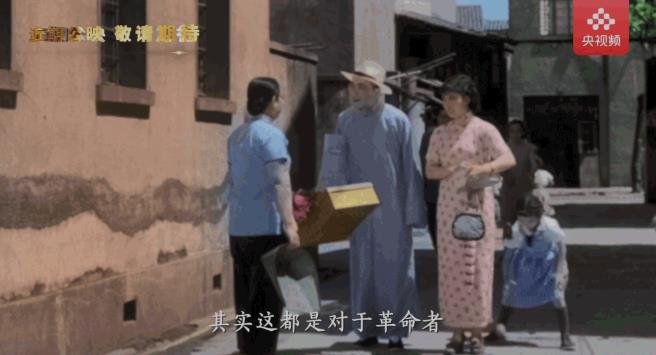
  The first black-and-white 4K restoration feature film "Never Gone Radio Wave" jointly produced by CCTV Video and China Film Archive.

Film premiere scene

Film premiere scene

  At the premiere ceremony, a promotional film with restoration effect was played on the big screen, and the black-and-white picture changed from blurred black and white to clear color.

  After watching it, Observer Jun suddenly understood why Tian Hua, a 93-year-old performance artist, was so excited at the opening ceremony of the Beijing International Film Festival:

  "Too fresh! It’s so vivid ‘ Color ’ Teacher Sun Daolin is so handsome! This kind of shock can only be completely felt on the big screen. "

  Knowing that the restored film will be released on October 6, I observed that Jun did one thing immediately after the premiere — — Find the small partners of the project repair team and "force" them to "confess". How did you repair the film so vividly?

  How did you do it? Did you really use magic? Don’t worry, and listen to the observation gentleman to tell you in detail!

Repair the coloring process

Repair the coloring process

  4K power:

  Repairing as old can rejuvenate you.

  "Never Gone Radio Wave" was filmed in 1958. At that time, film was the original carrier of movies. Sixty-three years have passed, and after years of precipitation, this film has also left traces of time — —

  Because of the age, there are many problems on the film, such as dust, dirt, mildew, fading, image jitter, scratches, flicker, noise, discoloration, blurring and so on. Therefore, it is necessary to adopt digital film restoration and processing technology to deal with them, so as to obtain higher image quality.

Damaged film specimen

Damaged film specimen

  The intention of restoration, on the one hand, is to "repair the old as the old". With the help of digital restoration technology, the lost image on the old film can be restored to the original "taste" of the film as much as possible.

  On the other hand, it is to make old films "rejuvenate" and be able to enter the cinema again. The resolution of the original film is 5460*4250, but with the erosion of time, the quality of the film base will react chemically. Under the existing technical conditions, the resolution of 4K is an ideal state for film restoration.

  Before 2017, the digital restoration of old movies in China mostly followed the 2K standard. The 4K resolution is based on the 2K resolution, which fully increases the picture information by 4 times.

  Therefore, before the repair, each frame of the picture must be magnified by the repairman four times before the damage can be seen clearly.

The repairman checks the film.

The repairman checks the film.

  For the more serious and complicated damage, it is even necessary to extract some materials, and after careful observation and analysis in the appraisal theater, further decide how to repair it and what software to use.

  For some special damaged pictures, the repairman must transfer the single frame of the picture to the later special effects software, and use the special effects function to realize 4K repair, restore the original flavor of the film, and restore the new life if it is old.

  Triple repair:

  What is the experience of clicking the mouse 20 thousand times a day?

  The restoration of classic movies is generally divided into three stages: physical restoration, digital restoration and artistic restoration. The first two can be classified as technical repair.

  The so-called physical restoration, the main task is to remove impurities from the picture, restore the visual texture of the picture at the beginning of production, and bring more comfortable and clearer visual experience to the audience.

  Friends can refer to the movie One Second, where the projectionist played by Fan Wei washes and repairs the film by hand.

Film One Second hand-washed film screen

Film One Second hand-washed film screen

  The original wrinkled film can be clearly shown again after proper scrubbing and drying. However, in the film, the copy volume was repaired, and this time, "Never Gone Radio Wave" repaired the original film background.

  Digital restoration is to digitize the film, which is the largest stage of the whole restoration process. As mentioned in the previous part, after the film is digitally scanned, 4K digital restoration technology is used to deal with various problems such as mildew, fading, image jitter, scratches, flicker, noise, discoloration and blur frame by frame.

Scanning film

Scanning film

  Each restorer clicks the mouse at least 20 thousand times a day. From this point of view, film restoration needs patience and professionalism.

  The repair time of a frame is as short as a few seconds, and as long as several hours or even days. The total duration of "Never Gone Radio Wave" is 116 minutes, and the whole film has 165,000 frames. With such a huge amount of work, people who can persist must have a heart that loves movies.

  Film restoration is a technical activity, which also needs creative aesthetics. When the physical restoration and digital restoration are over, the film restoration will reach a higher level — — Art restoration.

  That is, follow the principle of "repairing the old as before" and try to restore the film to the maximum extent.

  Specifically: the granularity of the film picture, the tone of the film with a sense of time, the color of clothes, the shadow of tables and chairs, the color of people’s skin, the depth of field of the lens and so on.

  Every place should be reproduced in combination with the original style of the old movie. The person who knows this film best is the creator of that year. To this end, the project restoration team invited the film’s creative staff to the scene as much as possible to guide, try to find the director and photographer at that time, follow their ideas, and determine the restoration standards.

Comparison before and after repair

Comparison before and after repair

  Black and white to color:

  In addition to AI, there is more ingenious "color archaeology"

  "Never Gone Radio Wave" was originally a black-and-white film. To achieve complete restoration, it is necessary to convert the black-and-white image into a color image through AI and artificial coloring technology after completing the triple restoration.

Comparison before and after repair

Comparison before and after repair

  This time, the restoration team combined the human-computer interactive AI coloring with independent intellectual property rights in China with traditional restoration techniques to restore and color the original black-and-white image of the film frame by frame.

  AI has greatly improved the overall work efficiency, but the soul of repair still needs artificial ingenuity. Because there are so many complex elements in focus plane, the current AI technology has limited ability to identify complex objects, and it is often impossible to track the details of moving side face and hand shape changes. At this time, it is necessary to manually solve them frame by frame.

Comparison between AI and artificial coloring effect

Comparison between AI and artificial coloring effect

  In order to make the color of the film more accurate and appropriate, the project restoration team composed of Central Video and Film Archive also launched a large-scale "color archaeology".

  In the film, Bai Lijun, the liaison officer of the underground party, was waiting for the elevator in the Peace Hotel. The lens hurriedly swept a decoration, and the material could not be seen in the black and white environment. The repair team specially contacted Shanghai Peace Hotel and finally determined that it should be the color of blue and white porcelain.

  In order to determine the color of the cheongsam that appears many times in the film, the team specially visited the non-genetic inheritor of the traditional cheongsam in China, and judged the color through the material, lightness and technology, thus giving the cheongsam of the female role in the film a three-dimensional sense, gloss and texture again.

Refer to a large number of cheongsam materials

Refer to a large number of cheongsam materials

  In order to verify the cover color of the thread-bound book A Dream of Red Mansions, which was used by the leading actor Li Xia to transmit information, the team specially invited experts from the Dream of Red Mansions Society, and finally decided that the cover should be the light blue cover of the lead-printed book at that time.

Experts analyze the cover color of A Dream of Red Mansions in the film

Experts analyze the cover color of A Dream of Red Mansions in the film

  In order to color the lips of female characters in the film, the team studied in detail the brightness differences of reddish, vermilion and crimson in black and white pictures, comprehensively considered the role identity and character characteristics, and matched female characters in different camps and stages with bright or elegant colors.

Consider the characteristics of female roles

Consider the characteristics of female roles

  Rebuilding "hearing":

  5.1 surround sound, to achieve real sound immersive.

  When the picture is upgraded to 4K, the sound quality will naturally be repaired simultaneously to meet the current cinema screening standards.

  Generally speaking, movies divide sounds into five categories: dialogue, environmental atmosphere, special effects, onomatopoeia and music. The project repair team must first separate all kinds of sounds, then remove the noise, and then re-complete the mixing recording according to the sound phase of the picture.

Sound restoration process

Sound restoration process

  At the same time, according to the picture, the ambient sound is supplemented to enrich the indoor ambient sound, so that the hearing is more telepresence, and the sound is used to supplement the picture for the second time, adding some human voice environmental effects.

  In the end, the black-and-white to color 4K restoration version of "Never Gone Radio Wave" was converted from the original stereo to 5.1 surround sound.

  When watching in the cinema, we will feel a more realistic sound field, and we can appreciate the soul-stirring of the hidden front in the revolutionary era.

  As the first film in New China about the hero of the Party’s hidden front, The Never-Gone Radio Wave is almost the "model" of all the domestic spy films.

  Li Xia, played by Mr. Sun Daolin, has influenced generations of Chinese with his image of Communist party member, which is optimistic, resolute, fearless and courageous.

  Good movies and true heroes should not and cannot be buried by time and space.

Sun Daolin plays Li Xia.

Sun Daolin plays Li Xia.

  Although film restoration doesn’t need high-intensity and orderly cooperation like shooting on the set, it still needs a clear division of labor and seamless cooperation.

  The project restoration team dispatched hundreds of people before and after, and it took seven months to finally complete the restoration of 165,000 black-and-white images of Never Died Radio.

  Chunhua Qiushi, staying up late again and again, comparing frame by frame, and making a little adjustment, finally handed over this answer sheet with renewed vitality.

Repair the coloring process

Repair the coloring process

  Every frame, every second, is a tribute to the hero and a call for fine works of art.

  On October 6th, in the golden autumn season, Observer Jun invited you to walk into the cinema together to see the brand-new scenery of this red classic!

  Producer ▏ Fan Yun Yang Hua Yang Jihong Zhang Lisheng

  Editor ▏ Xu Chaoqing Wang Jian Liu Shuang Lian Xinyuan Yan Shuang 

  Editor-in-Chief: Zhang Yadong Cui Yahua

  Written by Zhang Haitian

  Material ▏ Gong Taoran

  Editor Sun Jiatong Zhang Haoran Zhang Tao

In 2025, New Year’s Eve entered a two-digit countdown, and the New Year’s Eve was coming "too soon".

New Year’s Eve is the evening of the last day at the end of each lunar year, that is, the eve of New Year’s Day. This day is usually on the 29th or 30th of the twelfth lunar month in the summer calendar, so it is also called the 30th of the year, which is one of the most important traditional festivals of the Han nationality.

Today (October 20th),There are 99 days before year of the snake New Year’s Eve in 2025, and the countdown to the Chinese New Year has entered two digits.This year’s New Year’s Eve is on January 28th, 2025, and the lunar calendar is the 29th lunar month. It is still New Year’s Eve without the Lunar New Year’s Eve. One year’s time is fleeting, and netizens feel that time has passed too fast.

Enter a two-digit countdown on New Year’s Eve in 2025.

Triggered a hot discussion among netizens

Some netizens said:It’s too fast. I watched the countdown go from 3 digits to 2 digits.

Some netizens said:"There are still 10 Chinese New Year holidays in 10 days." "If you haven’t saved any money this year, it will be gone."

Beijing, Shanghai and other places have already begun to grab New Year’s Eve.

Many restaurants, hotels and private rooms are fully booked.

The National Day promotion has just passed, and it seems to be still early for the Chinese New Year. But people in Beijing, Shanghai and other places have begun to grab the New Year’s Eve dinner.

According to the Beijing News, in Beijing, many restaurants received orders for New Year’s Eve dinner as soon as the National Day was over. The heads of a number of catering enterprises predict that from the current booking situation, the New Year’s Eve market in 2025 may usher in a more eye-catching "transcript". In an interview with reporters, a person in charge of catering in Beijing said that the dining reservation for the 2025 New Year’s Eve and the Spring Festival holiday was officially opened on October 8 this year, which is also a "tradition" in the store for many years. "Every year, before the door is opened, many consumers are waiting in line at the door." Up to now, the store has booked 144 tables during the New Year’s Eve and the Spring Festival, including 65 tables for New Year’s Eve and 79 tables for holidays from the first day to the seventh day. All the rooms on New Year’s Eve have been booked.

In another restaurant in Beijing, the earliest 2025 dinner order came from New Year’s Eve in 2024. The person in charge said that many guests directly placed orders for the next year’s dinner after eating the New Year’s Eve reunion dinner. Up to now, the lunch room of the restaurant on New Year’s Eve in 2025 has been basically booked. Tao Ran, the manager of the store, said that some customers came to have a family dinner during the National Day and booked the private rooms for the Spring Festival dinner. At present, the private rooms for dinner on New Year’s Eve are all fully booked.

In Shanghai, the popularity of the New Year’s Eve market has also begun to "heat up". According to the Morning News, the reporter learned from many old brands, hotel chains and popular restaurants in Shanghai that the reservations for New Year’s Eve are being opened one after another, and the boxes and the "first half" batches of New Year’s Eve are among the hottest, and many of them have been booked out.

"Our store started late this year. On October 7th, the on-site reservation was opened at 6:30 am, and the first batch of private rooms and halls were fully booked at 10:30 am." A hotel clerk in Shanghai said.

On the other hand, the reporter also found that customers who need a large table with more than 10 people are not easy to book a large table with more than 10 people because of the relatively narrow choice. "Our biggest thing is that we can sit at a table for 10 people, and 12 people can squeeze. No more will do. However, you can put two adjacent tables for 10 people in the same space, so that you can walk around and communicate with each other. " A hotel clerk in Shanghai told reporters.

From this year

There is no 30 years in five consecutive years.

It is reported that last year, the Lunar New Year’s Eve in the Year of the Loong was February 9, 2024, which was "the last 30th anniversary in recent years".

becauseFrom 2025 until 2029, New Year’s Eve for five consecutive years is "New Year’s Day 29".These days are: January 28th, 2025, February 16th, 2026, February 5th, 2027, January 25th, 2028 and February 12th, 2029.

Why is the New Year’s Eve sometimes absent?

It turns out that this is all caused by the moon. The China lunar calendar calculates the number of days in a month according to the change of the moon phases, which is called "the period of the first lunar month" in astronomy. The day of "New Moon" is the first day, on which people can’t see the moon at all. The date of "Wang" is fifteen, which is the time of the full moon. Because the relative motion among the moon, the earth and the sun is not static, the "period of the first lunar month" is long and short. The average length of a lunar month is 29.53 days, which is not an integer, but the number of days in a month should be expressed in integers, so sometimes it is 29 days in a small month and 30 days in a big month. In order to ensure that the first day of each lunar month must be the new moon, the arrangement of the big and small months is not fixed, which needs to be determined through observation and scientific calculation. It is not uncommon for the twelfth lunar month to meet a small moon, which will appear in about three to five years. In 2013, 2016, 2022 and five years from 2025 to 2029, there was no 30th anniversary. However, because the average length of the first lunar month is more than 29 days, the number of big moons is slightly more than that of small moons every year. Although New Year’s Eve will "disappear", New Year’s Eve, as a traditional festival, has always been there, whether it is the 29th or 30th of the twelfth lunar month.

After learning about this, netizens said: interesting knowledge has increased again.

Finally, let’s talk about a magical thing:The first month of leap in 2262.

Therefore, there are two Spring Festival in 2262.